Graphic:
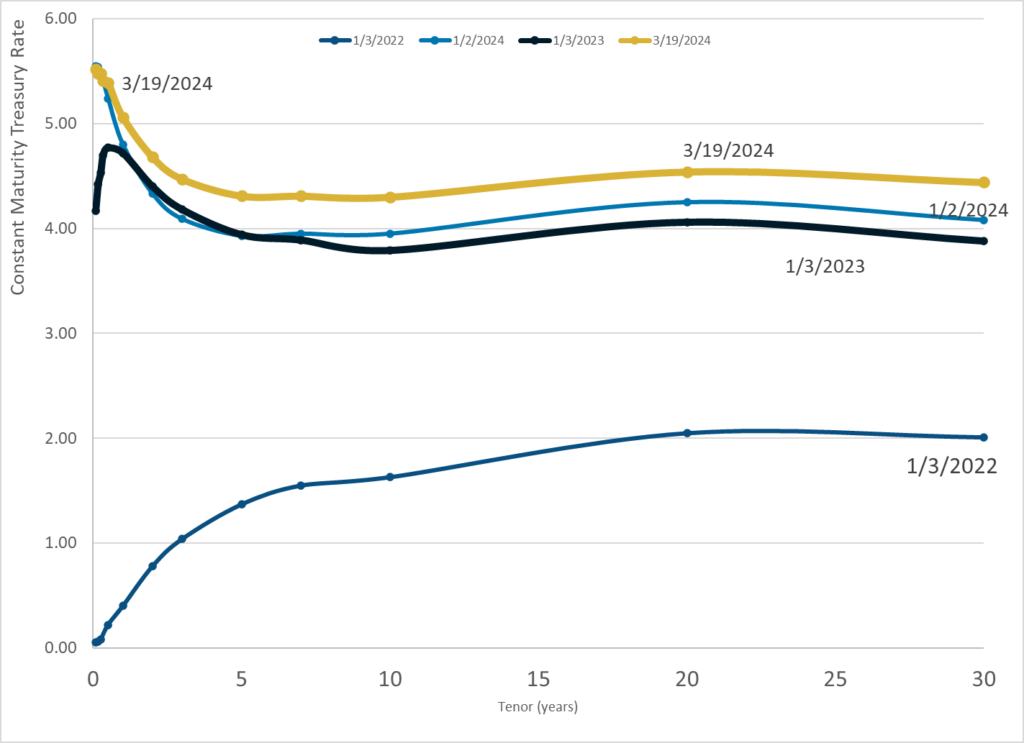
Publication Date: 20 Mar 2024
Publication Site: Treasury Dept
All about risk
Graphic:
Publication Date: 20 Mar 2024
Publication Site: Treasury Dept
Graphic:
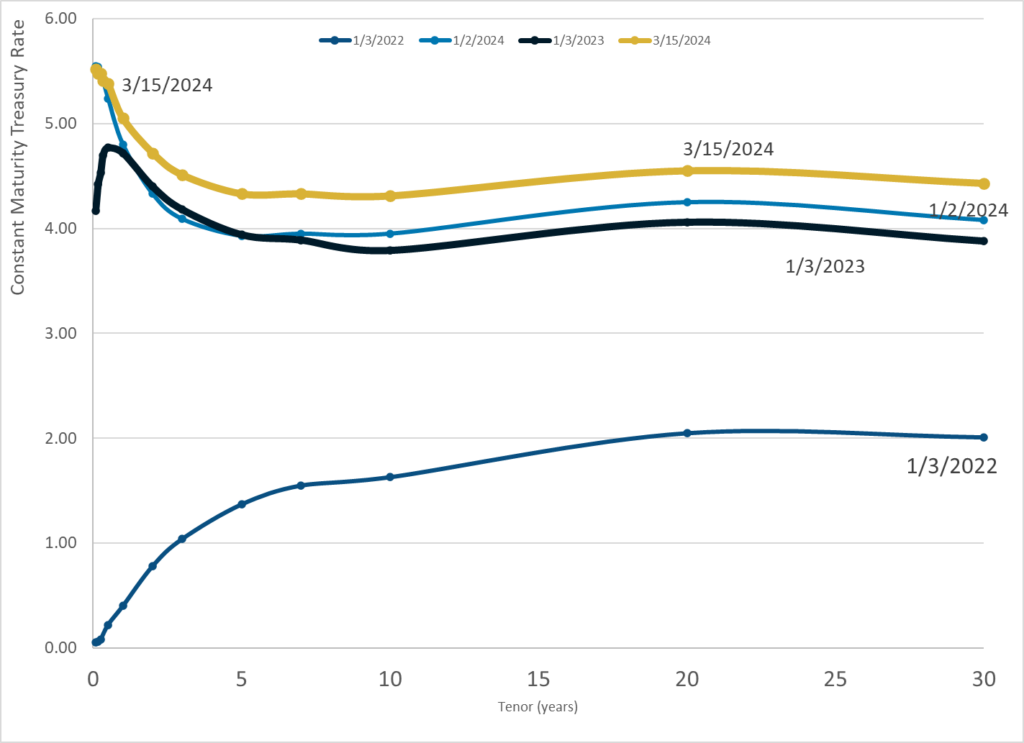
Publication Date: 15 Mar 2024
Publication Site: Treasury Dept
Link: https://www.biorxiv.org/content/10.1101/704080v3
PDF: https://www.biorxiv.org/content/10.1101/704080v3.full.pdf
Graphic:
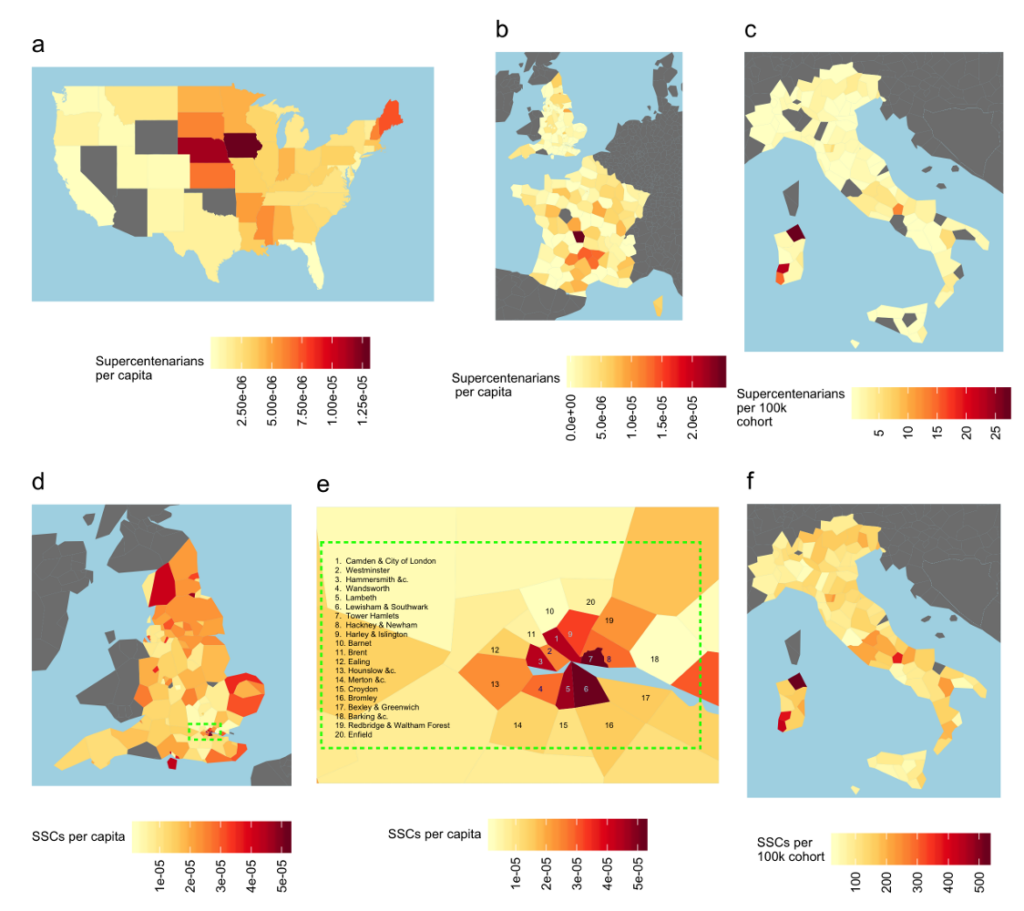
The observation of individuals attaining remarkable ages, and their concentration into geographic sub-regions or ‘blue zones’, has generated considerable scientific interest. Proposed drivers of remarkable longevity include high vegetable intake, strong social connections, and genetic markers. Here, we reveal new predictors of remarkable longevity and ‘supercentenarian’ status. In the United States, supercentenarian status is predicted by the absence of vital registration. The state-specific introduction of birth certificates is associated with a 69-82% fall in the number of supercentenarian records. In Italy, England, and France, which have more uniform vital registration, remarkable longevity is instead predicted by poverty, low per capita incomes, shorter life expectancy, higher crime rates, worse health, higher deprivation, fewer 90+ year olds, and residence in remote, overseas, and colonial territories. In England and France, higher old-age poverty rates alone predict more than half of the regional variation in attaining a remarkable age. Only 18% of ‘exhaustively’ validated supercentenarians have a birth certificate, falling to zero percent in the USA, and supercentenarian birthdates are concentrated on days divisible by five: a pattern indicative of widespread fraud and error. Finally, the designated ‘blue zones’ of Sardinia, Okinawa, and Ikaria corresponded to regions with low incomes, low literacy, high crime rate and short life expectancy relative to their national average. As such, relative poverty and short lifespan constitute unexpected predictors of centenarian and supercentenarian status and support a primary role of fraud and error in generating remarkable human age records.
Author(s): Saul Justin Newman
https://doi.org/10.1101/704080
Publication Date: 14 Mar 2024
Publication Site: bioRXiV
Graphic:
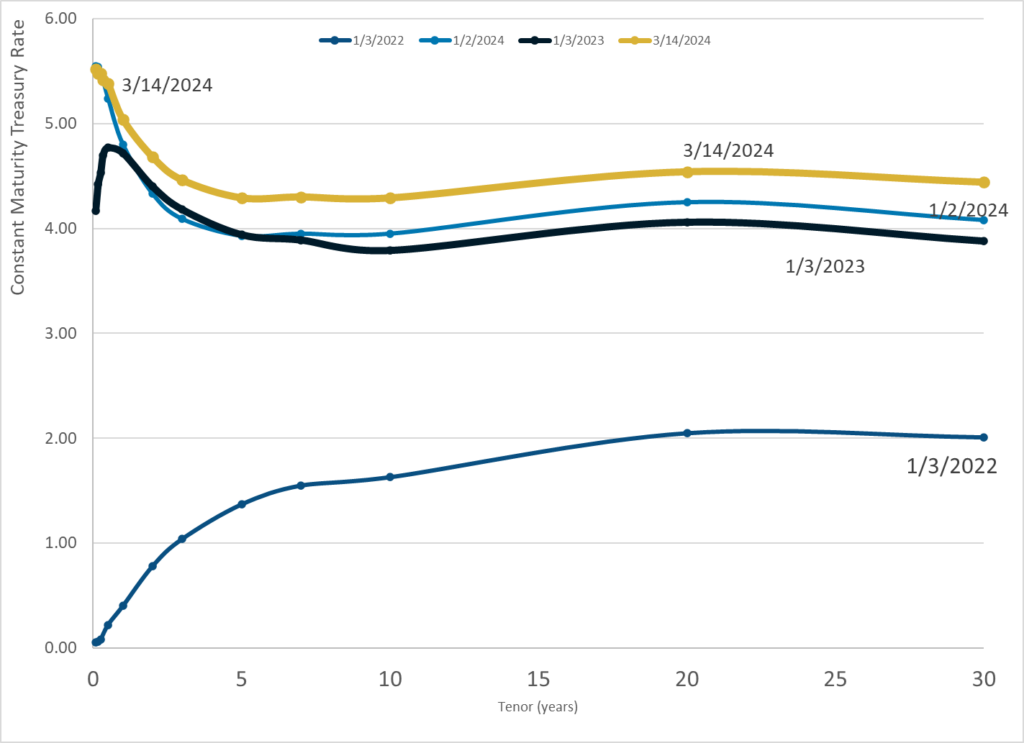
Publication Date: 14 Mar 2024
Publication Site: Treasury Dept
Graphic:
Publication Date: 12 Mar 2024
Publication Site: Treasury Dept
Graphic:
Publication Date: 11 Mar 2024
Publication Site: Treasury Dept
Graphic:
Publication Date: 6 Mar 2024
Publication Site: Treasury Dept
Graphic:
Publication Date: 5 Mar 2024
Publication Site: Treasury Dept
Graphic:
Publication Date: 4 Mar 2024
Publication Site: Treasury Dept
Graphic:
Excerpt:
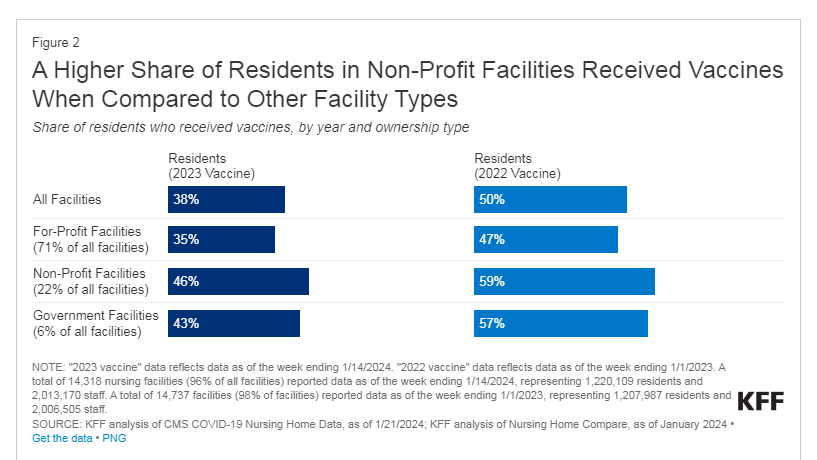
Uptake of the current COVID-19 vaccine is higher in non-profit facilities than in for-profit or government facilities (Figure 2). The percentage of nursing facility residents who received the updated vaccine is 46% in non-profit facilities compared with 35% in for-profit facilities and 43% in government facilities. Uptake of the fall 2022 vaccine was also highest in non-profit facilities and lowest in for-profit facilities. Rates of vaccine uptake for nursing facility staff were low in all types of facilities with minimal variation across facility types (data not shown).
Author(s): Priya Chidambaram and Alice Burns
Publication Date: 13 Feb 2024
Publication Site: KFF, Medicaid
Link: https://oig.hhs.gov/documents/evaluation/9808/OEI-02-20-00492.pdf
Graphic:
Excerpt:
OIG recommends that the Centers for Medicare & Medicaid Services (CMS):
1. Implement and expand upon its policies and programs to strengthen the nursing home workforce.
2. Reassess nurse aide training and certification requirements.
3. Update the nursing home requirements for infection control to incorporate lessons learned from the pandemic.
4. Provide effective guidance and assistance to nursing homes on how to comply with updated infection control requirements.
5. Facilitate sharing of strategies and information to help nursing homes overcome challenges and improve care.
CMS did not explicitly state its concurrence or nonconcurrence for the five recommendations.
Author: Christi A. Grimm
Publication Date: February 2024
Publication Site: Office of the Inspector General, HHS
Link: https://www.upi.com/Health_News/2024/03/01/nursing-home-staffing-shortage/8751709302182/
Excerpt:
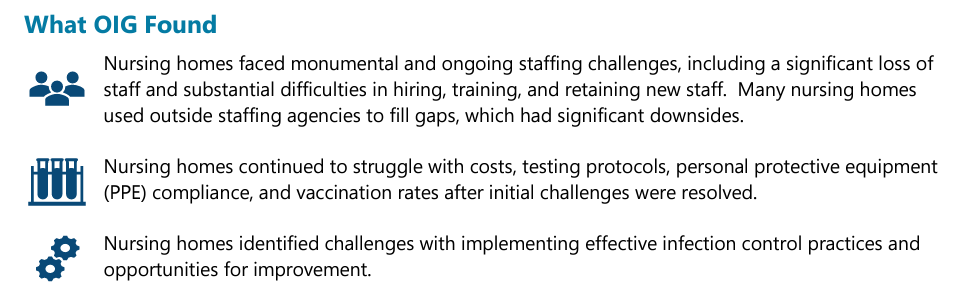
Although the pandemic has ended, staffing shortages and employee burnout still plague U.S. nursing homes, a new government report finds.
But the problems didn’t end there: The report, issued Thursday by the Inspector General’s Office at the U.S. Department of Health and Human Services, showed that infection-control procedures were still sorely lacking at many facilities.
Not only that, COVID-19 booster vaccination rates remain far lower than they should be, with only 38% of residents and 15% of staff up-to-date on their shots, according to a recent KFF report.
Author(s): Robin Foster
Publication Date: 1 Mae 2024
Publication Site: UPI