Graphic:
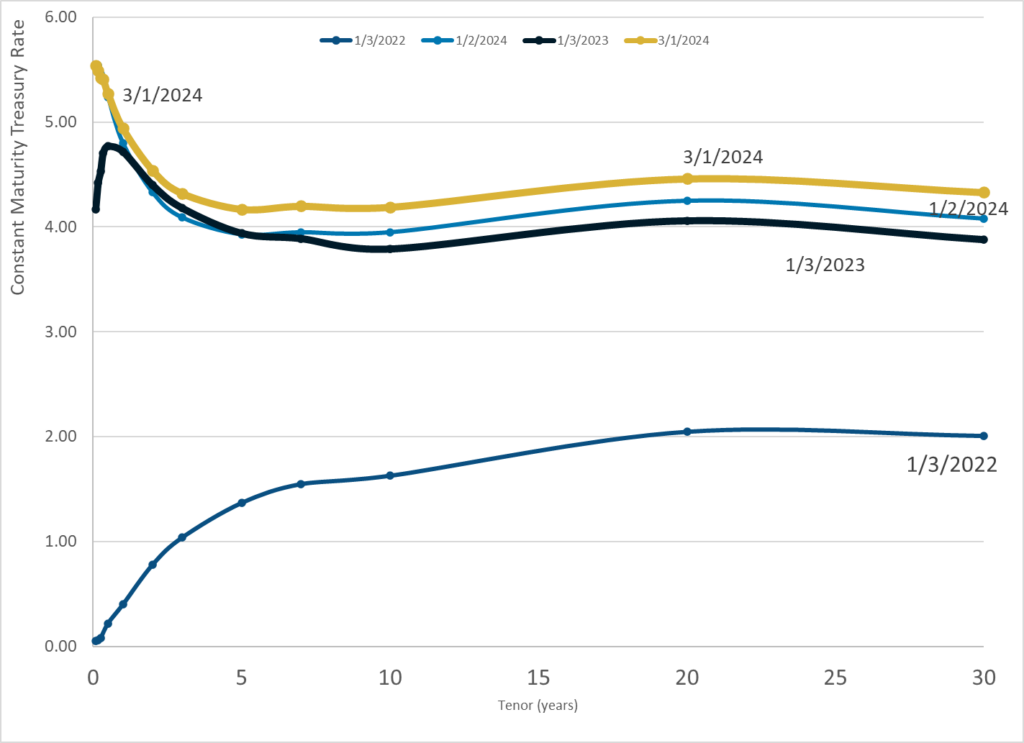
Publication Date: 1 Mar 2024
Publication Site: Treasury Dept
All about risk
Graphic:
Publication Date: 1 Mar 2024
Publication Site: Treasury Dept
Graphic:
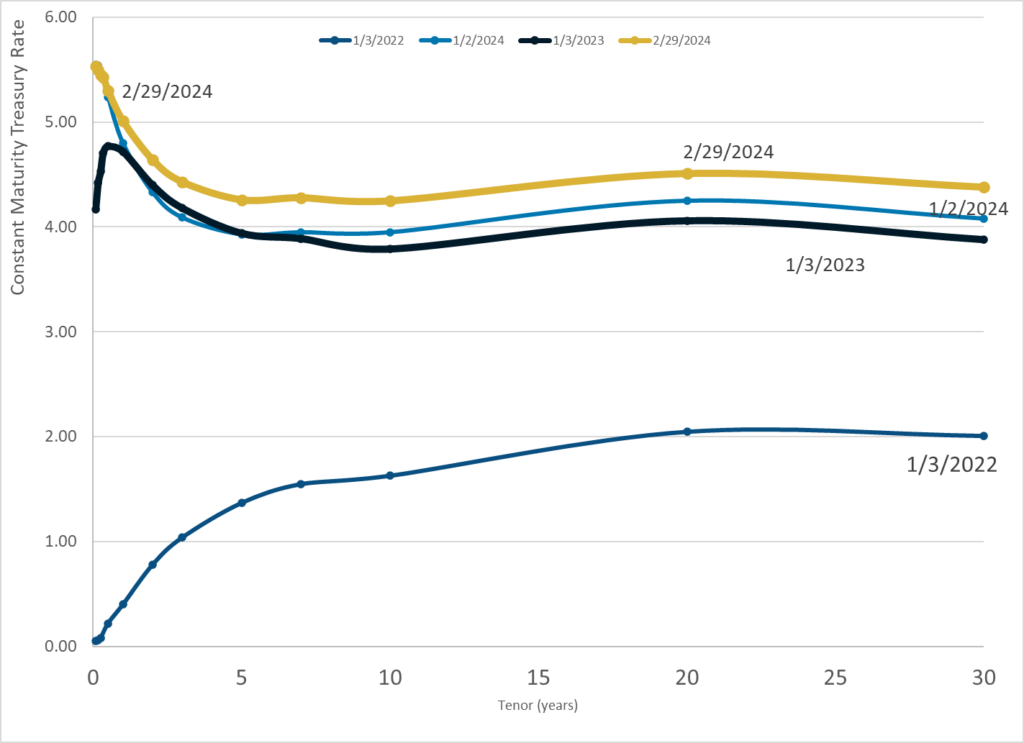
Publication Date: 29 Feb 2024
Publication Site: Treasury Dept
Graphic:
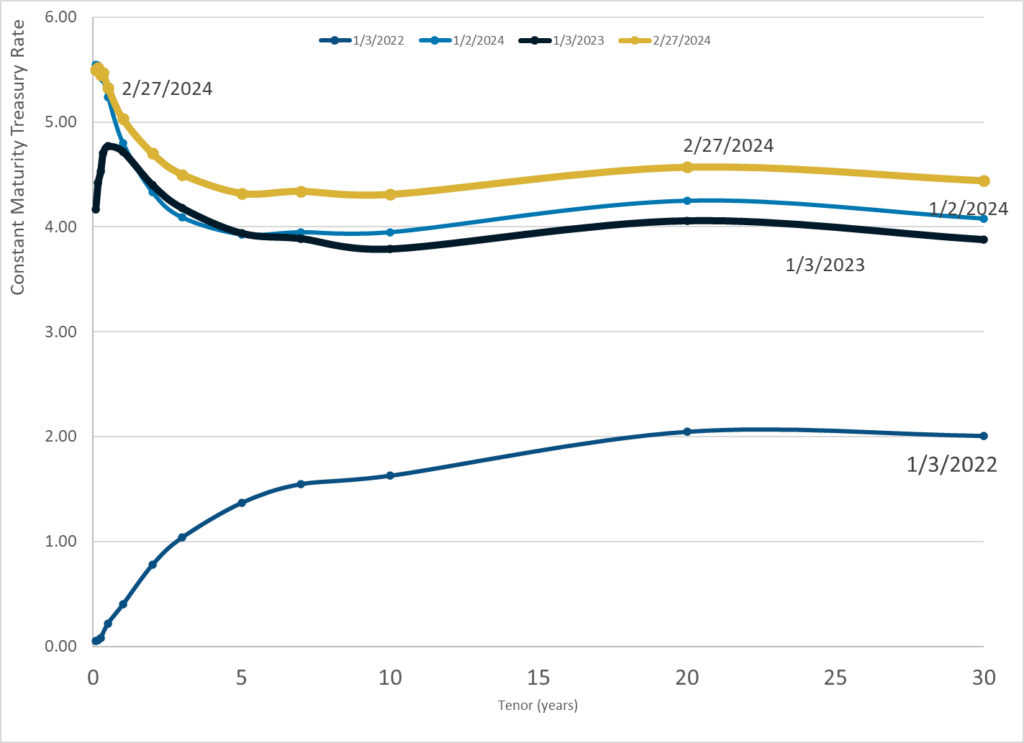
Publication Date: 27 Feb 2024
Publication Site: Treasury Dept
Graphic:
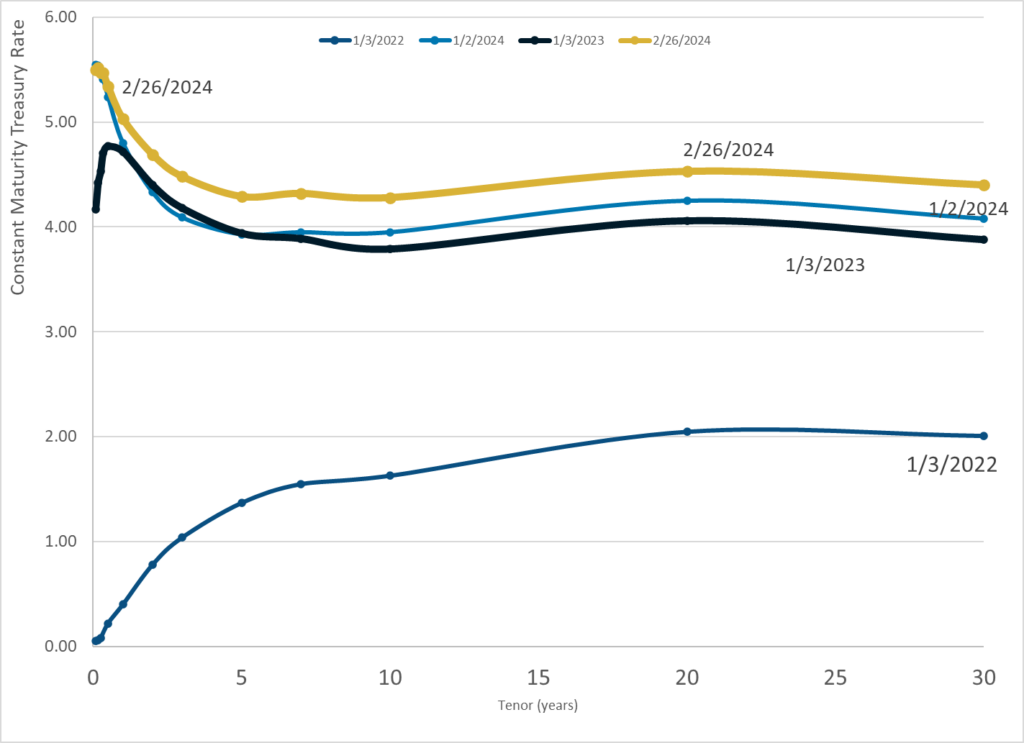
Publication Date: 26 Feb 2024
Publication Site: Treasury Dept
Graphic:
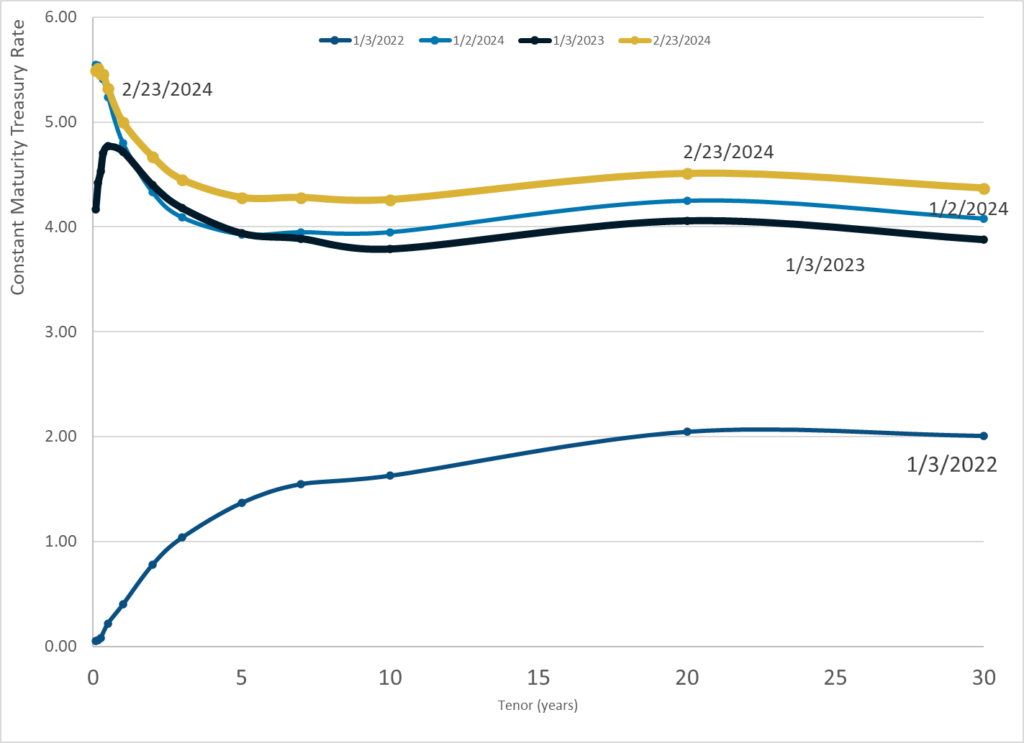
Publication Date: 23 Feb 2024
Publication Site: Treasury Dept
Graphic:
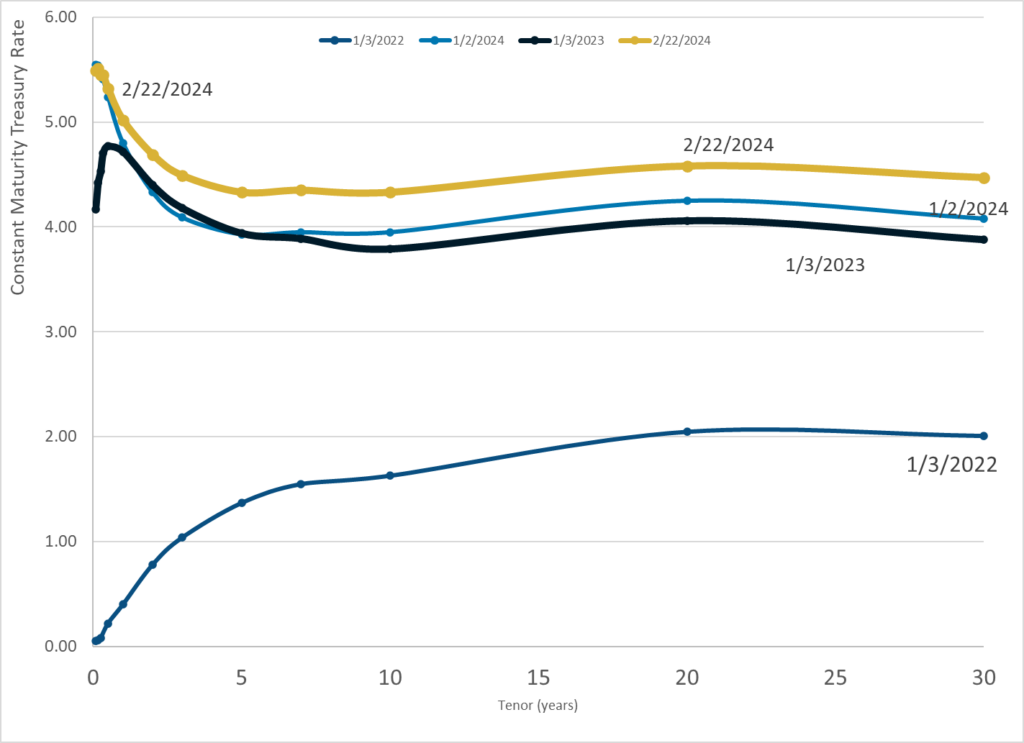
Publication Date: 22 Feb 2024
Publication Site: Treasury Dept
Graphic:
Excerpt:
The Financial Times made its interview with departing CalSTRS’ Chief Investment Officer Chris Ailman its lead story yesterday: Private equity should share more wealth with workers, says US pension giant. The Financial Times was too polite to say so, but Ailman could lay claim to being the best large public pension fund chief investment officer. CalSTRS, which manages the pensions of California teachers, is in the same general size league as its Sacramento sister CalPERS, and regularly outperforms CalPERS by a meaningful margin.
….
It’s hard to know where to begin with this. Limited partners like CalSTRS, who are, in Wall Street parlance, the money, have not even been able to get basic disclosures from the general partners like how much in total the private equity firms hoover out in fees and expenses, despite many years of pleading. Mind you, it’s a requirement for a fiduciary to evaluate the costs and risks of any investment, yet these investors have accepted this abuse.
Limited partners don’t get P&Ls of portfolio companies. They don’t get independent valuations even though that is considered to be essential for every other type of investment. So it’s ludicrous to think that general partners will share money with one of the very weakest parties in the picture, mere workers, when they won’t give information to the limited partners.
Someone new to this topic might wonder why limited partners don’t say “no”. The reason is they perceive private equity to be necessary for them to earn enough to reduce their level of underfunding, which in the public pension fund world is typically pretty bad. To make up for the shortfalls, pension funds like CalPERS and CalSTRS have also been increasing the amount they charge to cities, counties, and other local government entities. These pension costs are taking up larger and larger proportions of these budgets, creating concern and anger.
Author(s): Yves Smith
Publication Date: 16 Feb 2024
Publication Site: naked capitalism
Graphic:
Excerpt:
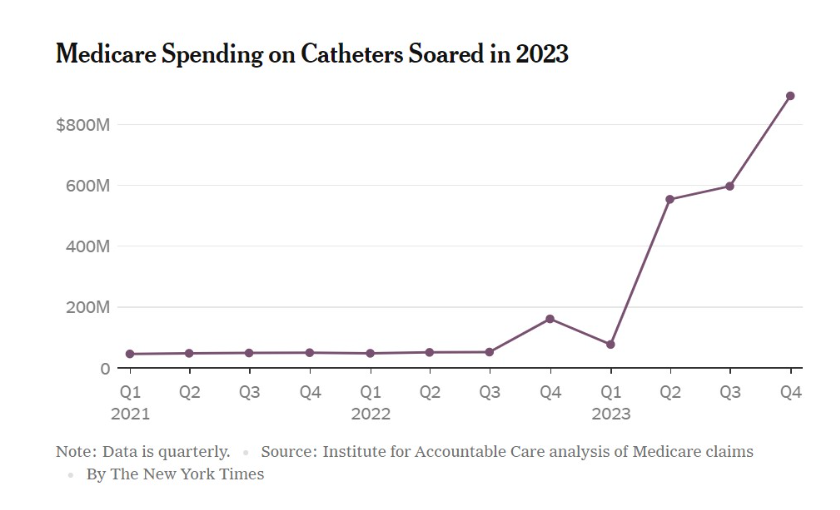
The New York Times reported recently about a sharp spike in Medicare spending on catheters, amid numerous signs that scammers have targeted that benefit to bilk the government out of taxpayer funds. With Medicare rapidly approaching insolvency, the problem is twofold: Criminals still consider the program such an easy source of cash — because the feds do such a poor job at finding and catching the crooks.
Times reporters interviewed several seniors explaining how they had been billed for catheters they never received and do not need or use. It also noted that the number of Medicare beneficiary accounts billed for catheters rose roughly nine-fold last year, from 50,000 to 450,000.
The pattern of Medicare spending on catheters echoes the increase in beneficiaries billed. Based on this graph from the Times story, it doesn’t take a doctorate in economics to realize that something fishy has happened regarding payments for catheters — and that, assuming most or all of the increase is due to fraud, Medicare has already given the scammers billions of dollars.
Over and above whether and when the feds can catch the scammers, the real question is: How did this happen? Or, given the federal government’s history of permitting fraud in federal health care programs, how does this keep happening?
Author(s): Christopher Jacobs
Publication Date: 16 Feb 2024
Publication Site: The Federalist
Graphic:
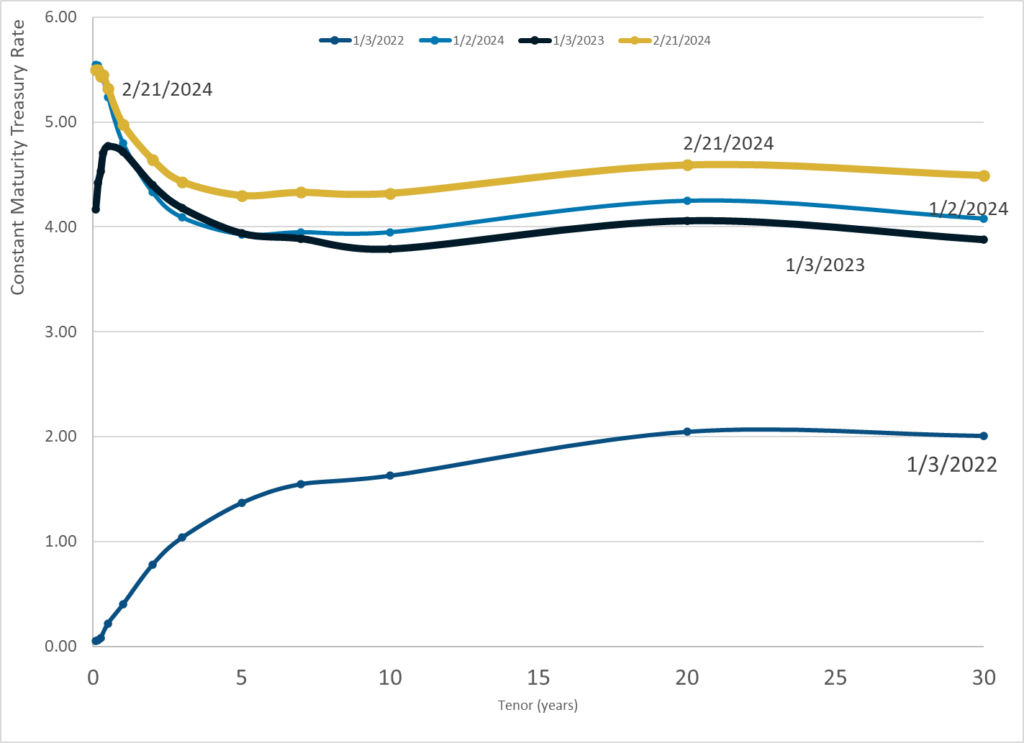
Publication Date: 21 Feb 2024
Publication Site: Treasury Dept
Graphic:
Publication Date: 16 Feb 2024
Publication Site: Treasury Dept
Link:https://www.npr.org/2024/02/16/1231362802/automated-speed-cameras-traffic-fatalities
Excerpt:
Richmond joins a growing list of cities turning to speed cameras. New laws in California and Pennsylvania will allow them in major cities where they’ve long been blocked.
Traffic fatalities have risen sharply over the past decade, and safety advocates around the country are desperately searching for anything that will get drivers to slow down. But critics say speed cameras can be a financial burden on those who are least able to pay.
Still, they’ve earned the endorsement of prominent safety advocates, including Jonathan Adkins, the CEO of the Governors Highway Safety Association.
“Automated enforcement works,” Adkins said. “For lack of a better term, it sucks to get a ticket. It changes your behavior.”
….
No one likes getting a speeding ticket. But the objections to automated traffic enforcement go deeper than that.
“We are very skeptical that safety is the real goal,” says Jay Beeber, with the National Motorists Association, a driver advocacy group.
There are other ways to get drivers to slow down, Beeber argues, including speed feedback signs that show drivers how fast they’re going in real time.
Author(s): Joel Rose
Publication Date: 16 Feb 2024
Publication Site: NPR, All Things Considered
Graphic:
Publication Date: 15 Feb 2024
Publication Site: Treasury Dept