Federal Insurance Office: A Study in Evasiveness

Link: https://www.insurancejournal.com/blogs/2022/09/12/684696.htm

Excerpt:

A September 8 U.S. Senate Banking, Housing and Urban Affairs Committee hearing on current issues in insurance included useful discussion on some of the industry’s most pressing concerns. Comments from the committee’s members and from one witness, Maryland Insurance Commissioner Kathleen Birrane, shed light on insurance for cyber and pandemic events; the impact of private equity firms acquiring pension obligations from life insurers (pension risk transfer); and pressures on the United States to conform to global regulatory regimes, which impact U.S. insurer capital standards. The hearing also featured profound evasiveness from the other witness, Federal Insurance Office (FIO) Director Steven Seitz.

….. sparks began to fly when Sen. Toomey asked Seitz questions which went unanswered, or drew bureaucratic doublespeak responses. A heated exchange between Sen. Toomey and Seitz, in which Sen. Toomey grew visibly irritated, demonstrated Seitz’ frustrating equivocation in explaining FIO’s relationship to the International Association of Insurance Supervisors (IAIS). An excerpt from the exchange below gives a flavor of the tone:

Sen. Toomey: Are you involved in an effort to make recommendations to the IAIS regarding private equity’s involvement in insurance?

Seitz: Umm. As part of our work at the IAIS, we’re closely coordinating the NAIC with the Federal Reserve and the states on a variety of issues, including work relating to the capital standards and the holistic framework which the NAIC is adopting.

Sen. Toomey: You didn’t answer my question. Are you personally involved in research or development of a memo, or an analysis that will include policy recommendations to the IAIS regarding private equity in insurance?

Seitz: You know, our teams are working closely with the NAIC and the states. You know, I am a member of the executive committee, and there are a variety of topics that the IAIS is discussing. And one of those topics at upcoming meetings that we will be discussing is private equity.

Sen. Toomey: You’re obviously trying to evade my question. I don’t know why it’s such a difficult question to answer…

Author(s): Jerry Theodorou

Publication Date: 12 Sept 2022

Publication Site: Insurance Journal

Consumer Watchdog Calls on Insurance Commissioner Lara to Reject Allstate’s Job-Based Insurance Rate Discrimination, Adopt Regulations to Stop the Practice Industrywide

Link: https://www.prnewswire.com/news-releases/consumer-watchdog-calls-on-insurance-commissioner-lara-to-reject-allstates-job-based-insurance-rate-discrimination-adopt-regulations-to-stop-the-practice-industrywide-301631577.html

Additional: https://consumerwatchdog.org/sites/default/files/2022-09/2022-09-22%20Ltr%20to%20Commissioner%20re%20Allstate%20Auto%20Rate%20Application%20w%20Exhibits.pdf

Graphic:

Excerpt:

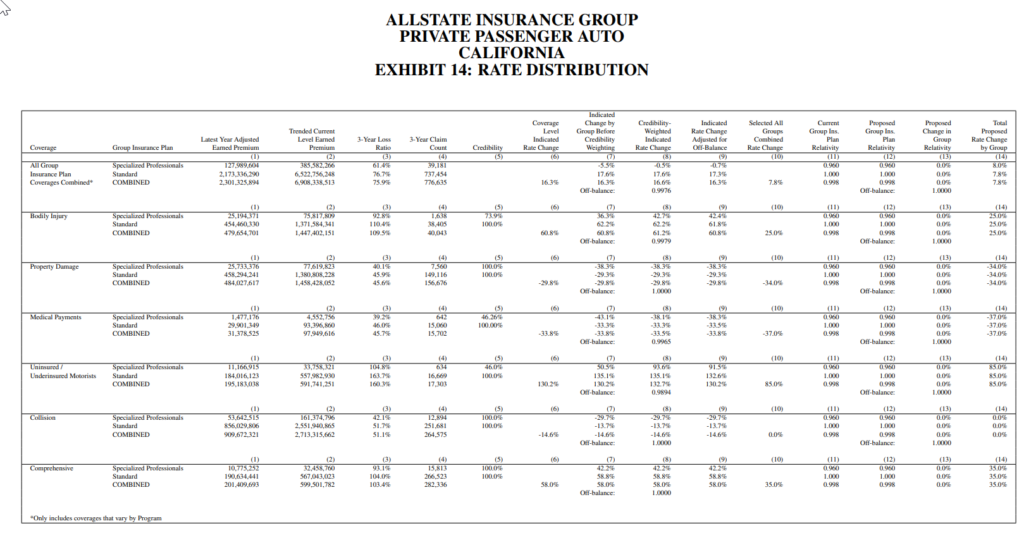
Insurance Commissioner Ricardo Lara should reject Allstate’s proposed $165 million auto insurance rate hike and its two-tiered job- and education-based discriminatory rating system, wrote Consumer Watchdog in a letter sent to the Commissioner today. The group called on the Commissioner to adopt regulations to require all insurance companies industrywide to rate Californians fairly, regardless of their job or education levels, as he promised to do nearly three years ago. Additionally, the group urged the Commissioner to notice a public hearing to determine the additional amounts Allstate owes its customers for premium overcharges during the COVID-19 pandemic, when most Californians were driving less.

Overall, the rate hike will impact over 900,000 Allstate policyholders, who face an average $167 annual premium increase.

Under Allstate’s proposed job-based rating plan, low-income workers such as custodians, construction workers, and grocery clerks will pay higher premiums than drivers in the company’s preferred “professional” occupations, including engineers with a college degree, who get an arbitrary 4% rate reduction.

Author(s): Consumer Watchdog

Publication Date: 22 Sept 2022

Publication Site: PRNewswire

Dot Plot Show Fed Anticipates More Hikes in 2023 to 4.50 Percent

Link: https://mishtalk.com/economics/dot-plot-show-fed-anticipates-more-hikes-in-2023-to-4-50-percent

Graphic:

Excerpt:

Hikes Come Hell or High Water? 

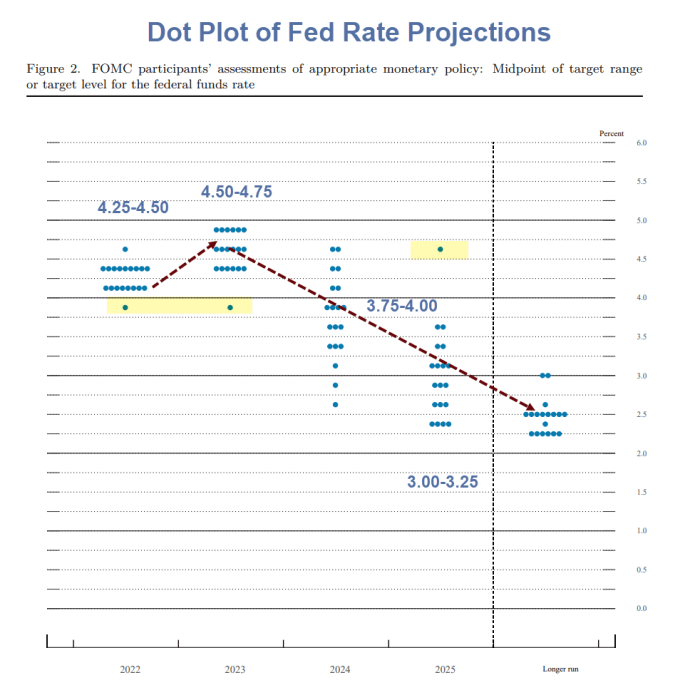
  • The Fed participants have a median expectation of 4.25 to 4.50 percent for the end of 2022
  • That’s another 1.25 percentage points more this year.
  • The Fed then anticipates one more hike in 2023 to 4.50 to 4.75 percent.

I have to admit that a year ago I did not foresee this. But here we are. 

The key question is not where we’ve been but where we are headed. I Highly doubt the Fed hikes another 1.25 percentage points this year or gets anywhere close to 4.50 to 4.75 percent in 2023.

Author(s): Mike Shedlock

Publication Date: 21 Sept 2022

Publication Site: Mish Talk

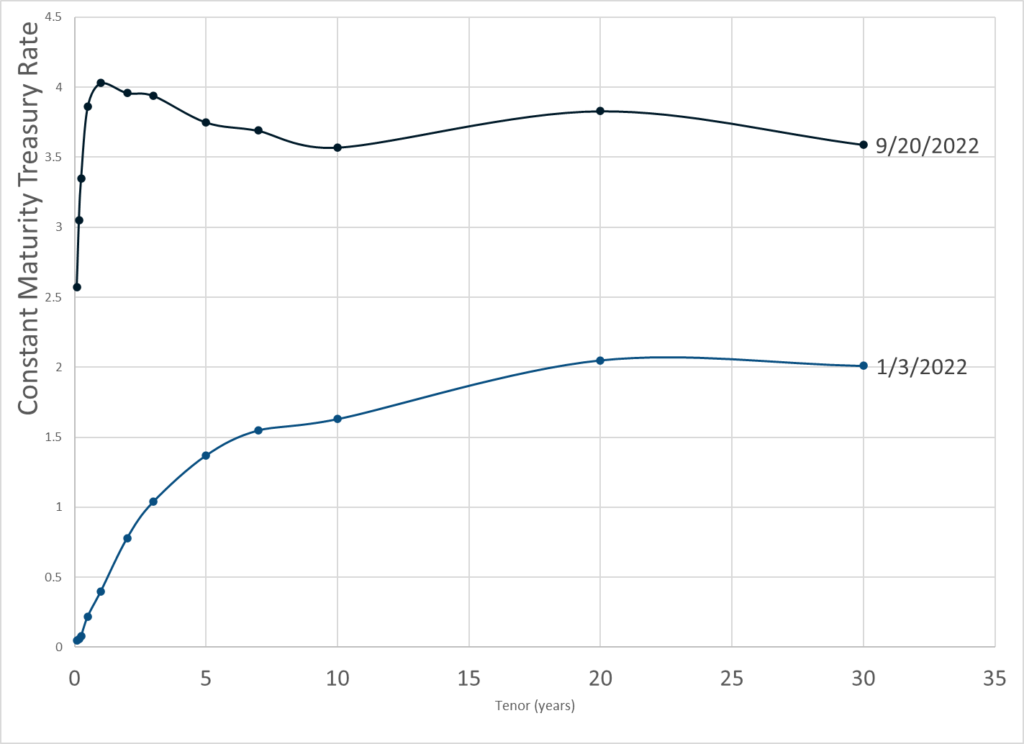
Two-Year Treasury Yield Highest Since 2007, Everything Inverted Over 1 Year

Link: https://mishtalk.com/economics/two-year-treasury-yield-highest-since-2007-everything-inverted-over-1-year

Graphic:

Excerpt:

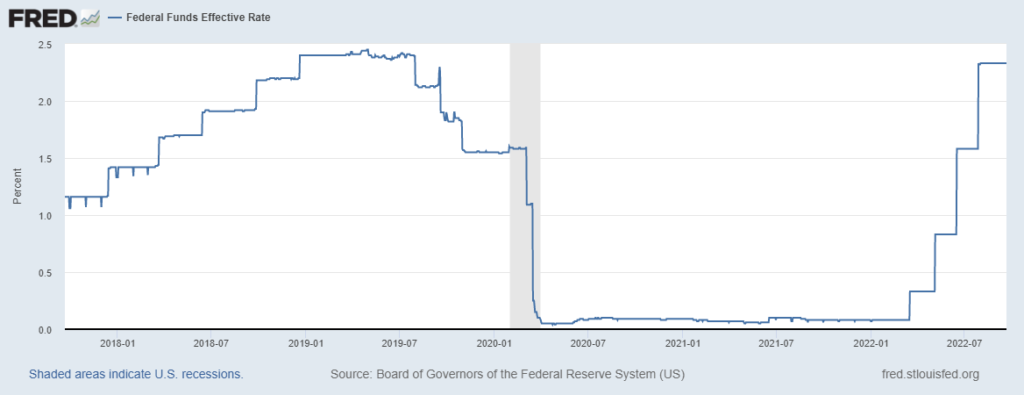
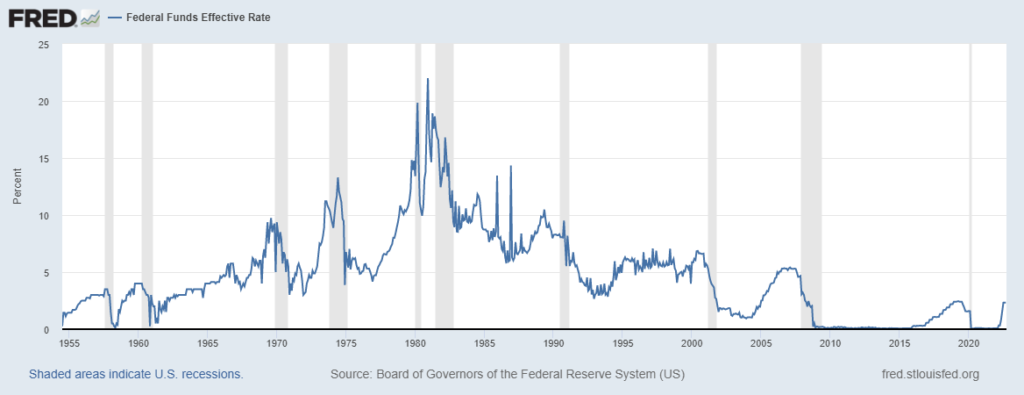
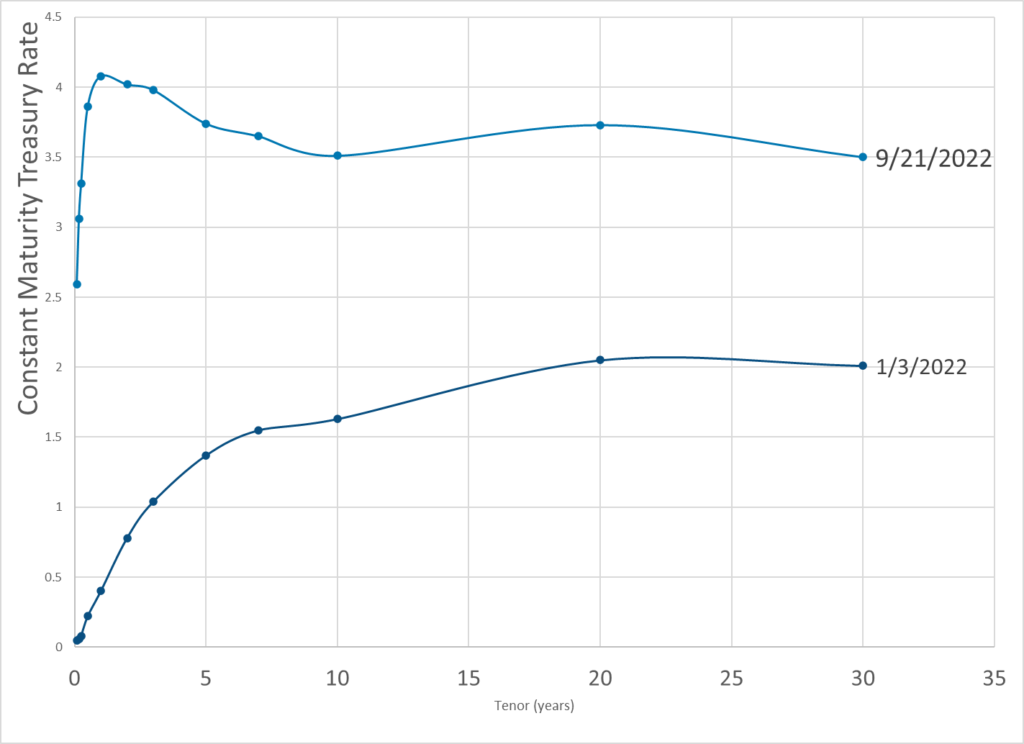
The curve has been inverted in places for over a year. This is a recession signal and I believe the economy went into recession in May. 

The Fed is merrily hiking away and is likely to keep doing so until it breaks something big time. The Fed will hike 75 basis points tomorrow and the market thinks another 75 basis points is coming in November. 

If so, it is doubtful the markets will like it much. 

Author(s): Mike Shedlock

Publication Date: 20 Sept 2022

Publication Site: Mish Talk

Daily Treasury Par Yield Curve Rates

Link: https://home.treasury.gov/resource-center/data-chart-center/interest-rates/TextView?type=daily_treasury_yield_curve&field_tdr_date_value=2022

Graphic:

Excerpt:

Treasury Par Yield Curve Rates: These rates are commonly referred to as “Constant Maturity Treasury” rates, or CMTs. Yields are interpolated by the Treasury from the daily par yield curve. This curve, which relates the yield on a security to its time to maturity, is based on the closing market bid prices on the most recently auctioned Treasury securities in the over-the-counter market. These par yields are derived from indicative, bid-side market price quotations (not actual transactions) obtained by the Federal Reserve Bank of New York at or near 3:30 PM each trading day. The CMT yield values are read from the par yield curve at fixed maturities, currently 1, 2, 3 and 6 months and 1, 2, 3, 5, 7, 10, 20, and 30 years. This method provides a par yield for a 10-year maturity, for example, even if no outstanding security has exactly 10 years remaining to maturity.

Treasury Par Yield Curve Methodology: The Treasury par yield curve is estimated daily using a monotone convex spline method. Inputs to the model are indicative bid-side prices for the most recently auctioned nominal Treasury securities. Treasury reserves the option to make changes to the yield curve as appropriate and in its sole discretion. See our Treasury Yield Curve Methodology page for details.

Author(s): Treasury Dept

Publication Date: 21 Sept 2022

Publication Site: Treasury Dept

Avoiding Unfair Bias in Insurance Applications of AI Models

Link: https://www.soa.org/resources/research-reports/2022/avoid-unfair-bias-ai/

Report: https://www.soa.org/4a36e6/globalassets/assets/files/resources/research-report/2022/avoid-unfair-bias-ai.pdf

Graphic:

Excerpt:

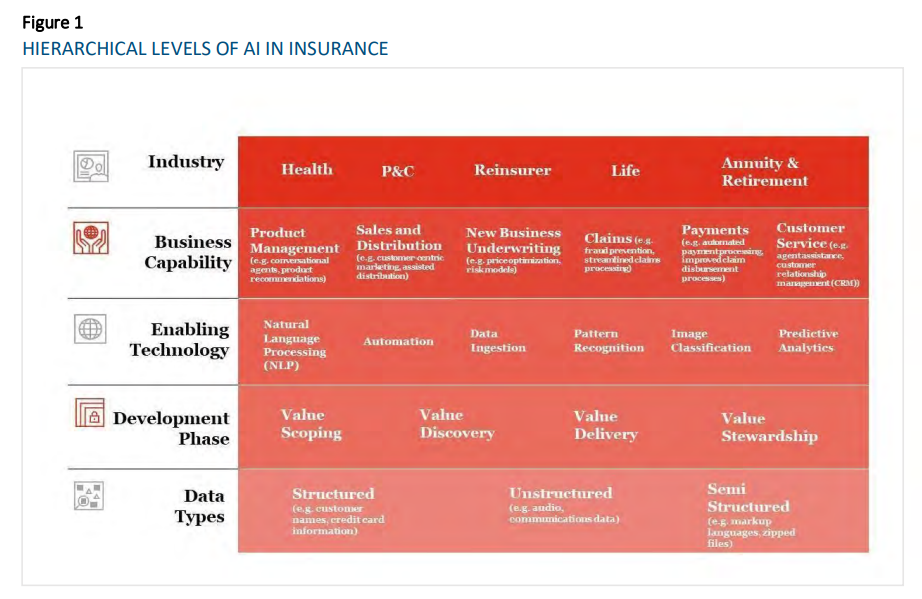
Artificial intelligence (“AI”) adoption in the insurance industry is increasing. One known risk as adoption of AI increases is the potential for unfair bias. Central to understanding where and how unfair bias may occur in AI systems is defining what unfair bias means and what constitutes fairness.

This research identifies methods to avoid or mitigate unfair bias unintentionally caused or exacerbated by the use of AI models and proposes a potential framework for insurance carriers to consider when looking to identify and reduce unfair bias in their AI models. The proposed approach includes five foundational principles as well as a four-part model development framework with five stage gates.

Smith, L.T., E. Pirchalski, and I. Golbin. Avoiding Unfair Bias in Insurance Applications of AI Models. Society of Actuaries, August 2022.

Author(s):

Logan T. Smith, ASA
Emma Pirchalski
Ilana Golbin

Publication Date: August 2022

Publication Site: SOA Research Institute

Current Issues in Insurance

Link: https://www.banking.senate.gov/hearings/current-issues-in-insurance

Excerpt: https://www.banking.senate.gov/imo/media/doc/Brown%20Statement%209-8-22.pdf

Statement from Chair Sherrod Brown (D-OH)

Every American needs insurance – whether it’s auto insurance to protect us when we’re on the
road, or homeowners’ insurance to protect the biggest investment for most families, or life
insurance to cement your family’s financial security in the event of a tragedy.
It’s our job to make sure that the industry is protecting Americans’ hard-earned money – not
putting it at risk.
American insurance companies are regulated by state insurance commissioners. The state-based
system of insurance regulation is historic, and ensures local markets and needs are taken into
consideration.
The National Association of Insurance Commissioners coordinates state commissioners across
all jurisdictions, to identify and address risks to the entire system.
In the Wall Street Reform Act, Congress created the Federal Insurance Office within the
Treasury Department to promote national coordination in the insurance sector. It’s common
sense – insurers operate across all state jurisdictions and internationally.
I’m pleased to have both the Maryland Commissioner Kathleen Birrane on behalf of the NAIC,
and Director Seitz of FIO testify today.
If we’re going to keep Americans’ hard-earned money safe, it is more important than ever that
they work together.
Today we’ll explore many important topics.
For example, three months ago, Lockheed Martin transferred $4.3 billion of its pensions to
Athene Holding – an insurance holding company specializing in life insurance and owned by the
private equity firm, Apollo Global Management.
Overnight, Lockheed Martin employees and retirees were notified that their pensions would be
managed by Athene and no longer governed by ERISA or the Pension Benefit Guaranty
Corporation.
This is just one recent example of private equity giants’ expansion into people’s pensions and the
insurance industry.
We know that workers end up worse off when Wall Street private equity firms get involved.
We’ve seen it over and over, in industry after industry.
In March, I asked the NAIC and FIO to look into private equity’s expansion into similar pensionrisk transfer transactions. We need to understand the risks to workers whose financial security
depends on pension and retirement programs.
The NAIC and FIO provided thoughtful responses to my letter. The NAIC has been monitoring
the risk-taking behavior of private equity-owned insurers.
FIO has done similar work, and also looked at the wider interconnectedness of insurance and
reinsurance markets across the world. Those connections have added to systemic risk concerns,
because U.S. insurance companies depend even more on the financial health of insurance
companies outside the U.S.
Taken together, our insurance authorities are focused on these emerging and complex risks to
safeguard our economy.
Our communities and families rely on insurance companies to protect their loved ones, their
homes, small business, and so many parts of our lives. We can’t ignore when risks build up, or
firms behave irresponsibly.
And we know who always pays the price when they do. It’s not insurance executives. It’s not
private equity executives. It’s not Wall Street.
It’s workers and their families. And it’s taxpayers, who were forced to bail out AIG 15 years ago.
That should never happen again.
That also means looking around the corner to make sure the industry and agencies are prepared
for risks as they develop. As more Americans face increasingly severe climate catastrophes like
wildfires and hurricanes each year, we need to help communities prepare – and we need to
ensure insurance watchdogs and the companies they oversee are prepared.
In the aftermath of some of these natural disasters, we have seen instances where insurers either
raise prices or stop offering insurance altogether, leaving families and businesses struggling to
find affordable coverage as they rebuild their lives and communities.
We also know this industry has a long history of racial discrimination, just like so many big
industries.
Black and brown families face more difficulty in getting insurance across the board. We’ve seen
this happen in auto insurance.
Earlier this year, The New York Times also reported that customers, insurance agents, and
employees sued State Farm for discrimination in the workplace and in paying out claims.
My colleague Chairwoman Waters has been working on learning more about this as well. Her
committee recently requested information about large life and P&C insurers’ involvement in
financing chattel slavery.
And I’m glad FIO and NAIC are also working on this. NAIC is investigating through its Special
Committee on Race and Insurance.
And I look forward to reviewing FIO’s upcoming report on availability and affordability of auto
insurance, and hope it will shed more light on racial equity in accessing this insurance.
Finally, later this year, the International Association of Insurance Supervisors will meet to
consider whether the U.S. insurance system’s review of capital adequacy standards meets
international criteria.
Because we regulate insurance differently here in the U.S., where state and local markets and
international markets are served by the same companies, it’s important that representatives of the
U.S. system like FIO and the NAIC advocate for fair treatment by the international regulators.
And now that the Fed Vice Chair for Supervision has been confirmed, Michael Barr and the
offices testifying here today will get to work with our international counterparts in this process.
All of these issues show how critical the work of FIO and NAIC is to our economy’s health and
stability. I expect FIO and NAIC to prioritize monitoring these risks in their ongoing work.

Publication Date: 8 Sept 2022

Publication Site: COMMITTEE ON BANKING, HOUSING, AND URBAN AFFAIRS of the U.S. Senate
Ohio’s Out-of-the-Box Pension

Link: https://www.toledoblade.com/opinion/editorials/2022/09/18/editorial-ohio-out-of-the-box-public-pension/stories/20220914044

Excerpt:

Alarm bells should be ringing about the Ohio Police & Fire Pension following the release of a fiduciary audit of the fund, finished six years after the legal deadline.

Ignoring the law falls on the Ohio Retirement Study Council and their creator, the Ohio General Assembly. But the warnings on investment risk within the OP&F portfolio demand immediate, widespread attention.

The combined pension contribution for police is 31.75 percent of their salary and with firefighters the employer-employee combination is 36.25 percent.

…..

Ohio Police & Fire is “clearly thinking outside the box,” according to Funston Advisory Services. “OP&F is among a very small number of major institutional investors to have adopted a risk parity investment approach across the plan’s entire investment structure,” Funston tells us. Ohio’s police and fire pension is also a pioneer in an investment strategy called “portable alpha.”

In each case, the characteristic that separates OP&F from the rest of the public pension pack is “meaningful use of portfolio leverage.” The Ohio safety forces pension is using one of the riskiest investment strategies in America. The 25 percent of leverage showing on the balance sheet is actually much higher because the alternative investments also include leverage.

The entire portfolio is managed by outside managers, 135 fund managers by our count, who pulled down “mind boggling” fees according to pension expert Richard Ennis. If Mr. Ennis’ name sounds familiar you probably remember he was the expert Ohio turned to for comprehensive analysis of the Coingate scandal at the Ohio Bureau of Workers Compensation. Mr. Ennis gave us an assessment of the OP&F performance over the last 10 years that indicates the pension matched the results of an index fund despite the high fees.

Author(s): The Blade Editorial Board

Publication Date: 18 Sept 2022

Publication Site: The Toledo Blade

A Sneaky Form of Climate Obstruction Hurts Pension Funds

Link: https://www.nytimes.com/2022/09/17/opinion/environment/climate-change-pension-texas-florida.html

Excerpt:

Mr. Read is the Oregon state treasurer.

In several Republican-led states, the officials who oversee pension funds for millions of state workers are being told, or may soon be told, to ignore the financial risks associated with a warming world. There’s something distinctly anti-free market about policymakers limiting investment professionals’ choices — and it’s putting the retirement savings of millions at risk.

The Texas comptroller, Glenn Hegar, recently announced that 10 financial firms and 348 funds could be barred from doing business with the state’s pension plans because they appeared to consider environmental risks in their investment decisions regarding the fossil fuel industry. The day before, Gov. Ron DeSantis of Florida announced a similar move. Other states, including Idaho, Louisiana and West Virginia, have either taken or are thinking of taking similar actions, which amount to ideological litmus tests that will likely result in lower returns for pensioners.

Author(s): Tobias Read

Publication Date: 17 Sept 2022

Publication Site: NYT

Can the CDC Repair Its Reputation?

Link: https://knowledge.wharton.upenn.edu/article/can-the-cdc-repair-its-reputation/

Graphic:

Excerpt:

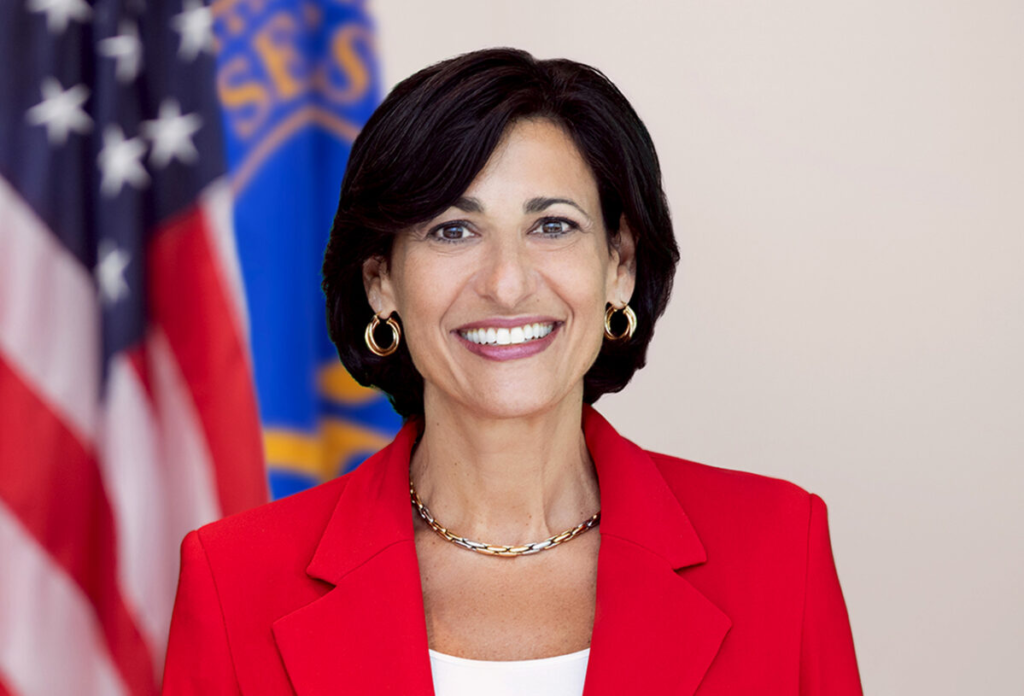
The Centers for Disease Control and Prevention must learn from the mistakes it made during the height of the COVID-19 pandemic if it wants to win back public trust, according to Wharton health care management professor Ingrid Nembhard.

She thinks CDC Director Rochelle Walensky is on the right path to do just that. Walensky, who was appointed by President Joe Biden in 2021, has announced a major overhaul to modernize the agency and get the public messaging right.

….

Nembhard is particularly hopeful about Walensky’s focus on changing the culture at the CDC. The infrastructure to conduct the science and disseminate the information is vital, but so is the culture. Reports have surfaced that paint the agency as clunky with a risk-averse culture.

“If you have all of the structures but nobody is speaking up, where are you?” Nembhard said. “You don’t have all the information that you need, and I think that’s been one of the realities that we’ve seen them having to deal with. You really do need to have your systems in place to be flexible, to be able to manage under ever-changing circumstances.”

Author(s): Angie Basiouny

Publication Date: 13 Sept 2022

Publication Site: Knowledge @ Wharton