Just 2% of Philadelphia’s pension fund could boost the local economy

Link:https://www.inquirer.com/opinion/commentary/philadelphia-pension-fund-investments-20240214.html?utm_source=email&utm_campaign=edit_social_share_email_traffic&utm_medium=email&utm_content=&utm_term=&int_promo=

Excerpt:

The primary responsibility of the $8.4 billion Philadelphia pension fund is to assure the continuing financial security promised to city workers upon retirement. The welfare of city employees, along with all Philadelphians, depends on the economic and social well-being of the city itself. Therefore, the Philadelphia Public Banking Coalition has proposed that the city pension fund invest $168 million, 2% of its portfolio, in local economically targeted investments to fund projects that benefit Philadelphians.

These investments would address policy goals while achieving returns as high or higher than many of the fund’s current asset classes. Currently, the 2023 pension fund investment policy describes risky investments in options, futures, forwards, and swap agreements. And there’s a precedent for public policy considerations, for example, in limitations on investments in Russian companies, private prisons, and arms manufacturers. The current portfolio exhibits a strong real estate focus but without preference for Philadelphia projects.

Below are just a few of the possible opportunities for targeted investments that would strengthen the health of Philadelphia’s economy.

Author(s): Stan Shapiro and Peter Winslow, For The Inquirer

Publication Date: 14 Feb 2024

Publication Site: The Philadelphia Inquirer
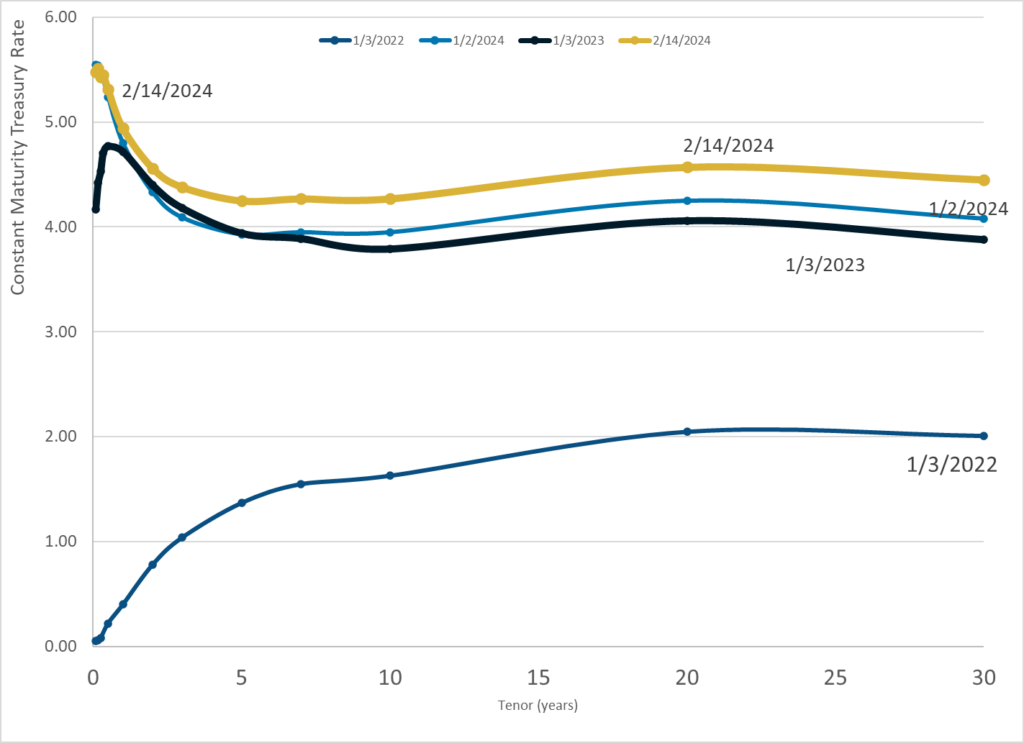
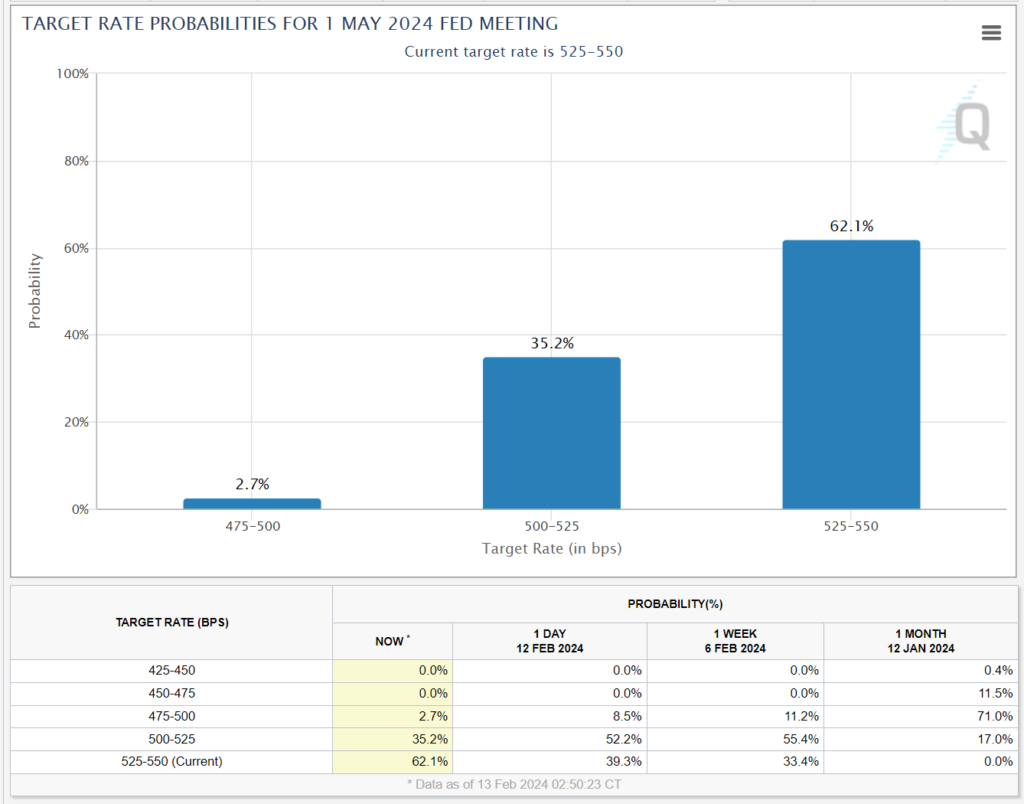
Fed Rate Cut Expectations Drop on Unexpectedly Strong CPI Data

Link:https://mishtalk.com/economics/fed-rate-cut-expectations-drop-on-unexpectedly-strong-cpi-data/

Graphic:

Excerpt:

  • A month ago, the market thought there was no chance the Fed would hold pat through May.
  • A week ago, the odds were 33.4 percent.
  • Yesterday, the odds were 39.3 percent.
  • Today, the market says there is a 62.1 percent chance the Fed did not cut in March or May. There is no April meeting.

Author(s): Mike Shedlock

Publication Date: 13 Feb 2024

Publication Site: Mish Talk

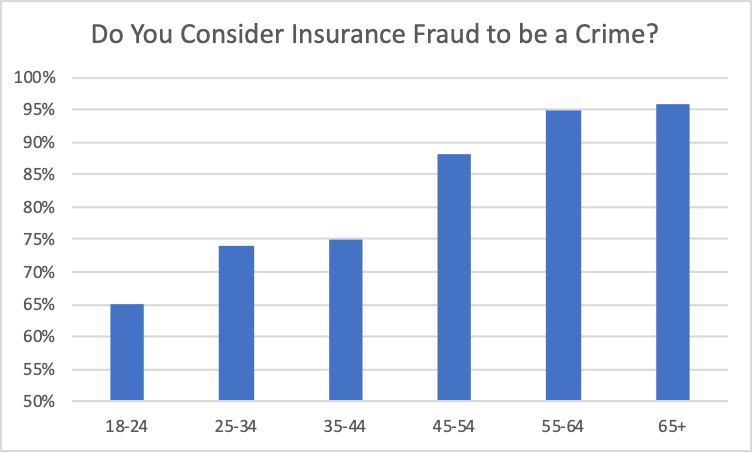
Insurance Fraud on the March

Link: https://www.insurancejournal.com/blogs/right-street/2024/02/12/760360.htm

Graphic:

Excerpt:

Some of the most chilling examples of insurance fraud are grisly affairs revealing the darkest of humanity’s dark side:

  • John Gilbert Graham placed a time-release bomb on a plane in which his mother was traveling, for the life insurance payment. The bomb exploded. In addition to Graham’s mother all 43 other passengers and crew perished.
  • Utah physician Farid Fata administered chemotherapy to hundreds of women who did not have cancer. Fata submitted $34 million in fraudulent claims to Medicare and private insurance companies.
  • Ali Elmezayen staged a freak car accident which took the lives of his two autistic children and nearly drowned his wife. He collected a $260,000 insurance payout, but his crime was discovered. He was sentenced to 212 years in prison.
  • A Chicago federal grand jury charged 23 defendants with participating in a fraud scheme swindling $26 million from ten life insurers. The scheme featured submission of fraudulent applications to obtain policies, and misrepresenting the identity of the deceased.

There are thousands of other equally horrific insurance fraud stories. The annual Dirty Dozen Hall of Shame report describes some of the most egregious, and contributes to an understanding of how far fraudsters will go to cheat insurance companies.

….

Improvements in predictive modeling and the introduction of artificial intelligence (AI) have strengthened insurers abilities to identify, and ultimately investigate, submitted claims that may be fraudulent. At the same time, however, AI is also being used as a weapon to penetrate insurers’ fraud detection systems. Techniques being used include AI-created fake photographs of cars of a particular make and model showing damage that is not real, but used to extract a claims payment. Some insurers are no longer accepting photos because they may be doctored, and are returning to adjustors physically visiting the allegedly damaged car. A nefarious life insurance scam includes AI-enabled manipulation of ones voice so that a criminal third party gets past insurers’ voice recognition technology, and initiates a policy being surrendered to a non-policyholder, non-beneficiary. It seems that for every additional layer of protection insurers introduce, the criminals are keeping up, if not forging ahead.

Author(s): Jerry Theodorou, R Street

Publication Date: 12 Feb 2024

Publication Site: Insurance Journal

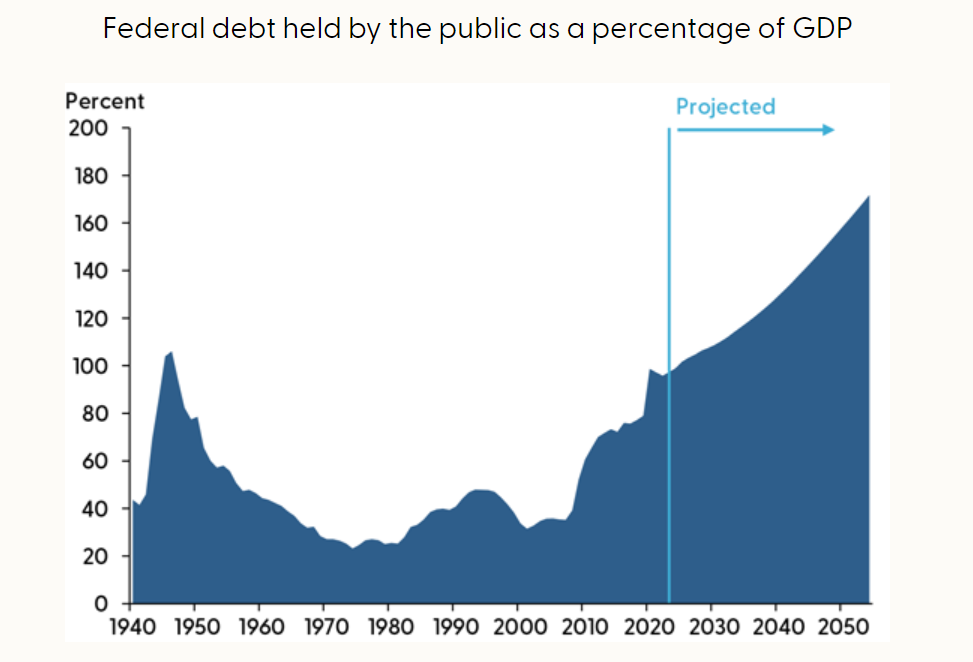
The Fed Is Very Concerned Over Spending and Interest on the National Debt

Link: https://mishtalk.com/economics/the-fed-is-very-concerned-over-spending-and-interest-on-the-national-debt/

Graphic:

Excerpt:

  • The current setup is nothing like the situation following WWII. Don’t expect another baby boom.
  • Instead, expect a massive wave of boomer retirements (already started) that will pressure Medicare and Social Security.
  • Depending on the kindness of foreigners to increase demand for US treasuries is not exactly a great plan.
  • Artificial Intelligence (AI) will undoubtedly increase productivity. But that is not going to offset the willingness of Congress to spend more and more money on wars, defense, foreign aid, child tax credits, free education, and other free money handouts, while trying to be the world’s policeman.

Author(s): Mike Shedlock

Publication Date: 12 Feb 2024

Publication Site: Mish Talk

Americans Should Be Less Complacent About Social Security

Link: https://www.discoursemagazine.com/p/americans-should-be-less-complacent

Excerpt:

In December 2023, Gallup released the results of its latest survey of Americans’ expectations of Social Security. Gallup has been conducting these surveys in essentially similar form for many years, and their latest results qualitatively resemble previous ones. They show a slight uptick in Americans’ optimism that Social Security will make good on future benefit promises, producing Gallup’s headline finding: “Americans More Upbeat About Future Social Security Benefits.”

Unfortunately, the optimism expressed by Gallup’s respondents is at odds with the reality of Social Security’s deteriorating finances, as evidenced by the worsening actuarial shortfall documented in its trustees’ annual reports. Never before have Americans had greater reason for concern that they will not receive the benefits Social Security is promising. The reason Americans are feeling blithe about Social Security’s future is not because of its actual condition, but because elected officials and media figures avoid a subject whose harsh realities contradict their preferred political narratives.

….

Another recurring feature of the Gallup surveys is to question respondents as to whether they would prefer that Social Security solvency be restored by raising taxes or by “cutting” or “curbing” benefits. Whenever the question is phrased in such a way, Americans express a preference for raising taxes, a preference that increased in the latest poll. The rising preference for raising taxes may partially reflect the bigger-government tilt of young adults, combined with the large number of baby boomers on the verge of claiming benefits. However, a portion of that expressed preference has been present in every survey, and it is worth understanding why.

All Social Security survey responses tend to be extremely sensitive to the wording of questions and to background understanding of the program. For example, a previous Gallup poll showing majority opposition to proposals to “curb” benefits for middle- to high-income workers was contradicted by a contemporaneous poll finding that 59% of respondents favored slowing the rate of benefit growth for middle- to high-income workers. When proposals to moderate future benefit growth are accurately described as such, they tend to draw much more support than when proposals are described as “cutting” or “curbing” benefits. Language such as “cut” or “curb” implants the mistaken notion that such proposals would reduce benefits from current levels.

Author(s): Charles Blahous

Publication Date: 9 Feb 2024

Publication Site: Discourse Magazine