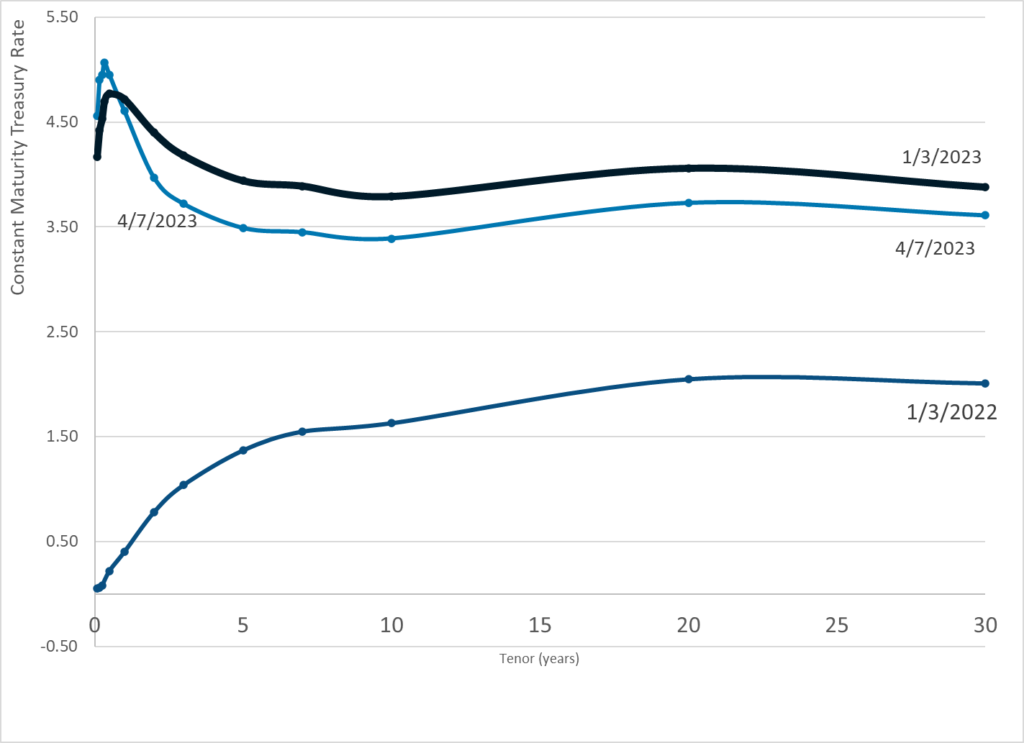
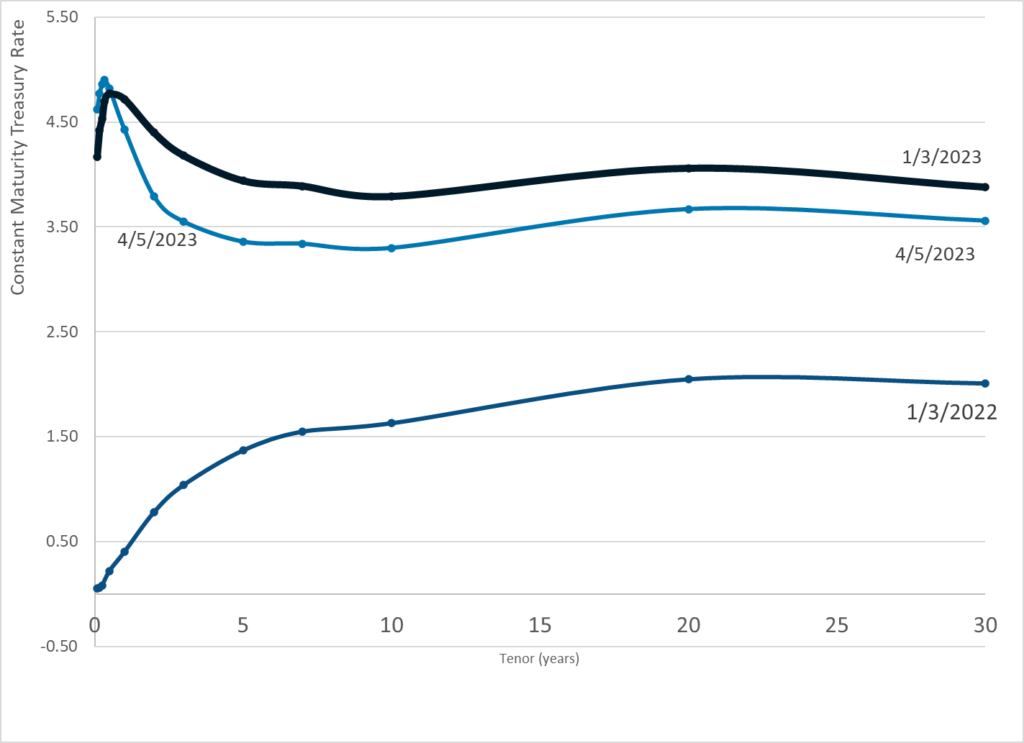
How I Created a Data Visualization With Zero Coding Skills, Thanks to ChatGPT

Link: https://nightingaledvs.com/data-visualization-using-chatgpt-to-code/

Graphic:

Excerpt:

Data visualization is cool but at the same time it’s bit daunting that I need to know lots of tech stacks to actually implement it.

I totally agree that even when I was studying data visualization, I spent a pretty substantial amount of time learning how to code, handle web hosting, work with Python, SQL, and more, all while absorbing knowledge on information visualization.

Thankfully, we no longer need to deep dive into technical gatekeepers in this field. This doesn’t mean that technical knowledge is not valuable, but rather that we no longer need to be intimidated by technology because AI can spoon-feed us knowledge and do the heavy lifting for us. Are you excited? Let’s get started!

I’m going to build the data visualization that one of my students posted on weekly write-up homework.

Author(s): Soonk Paik

Publication Date: 4 April 2023

Publication Site: Nightingale
Ranked: The U.S. Banks With the Most Uninsured Deposits

Link: https://elements.visualcapitalist.com/ranked-the-u-s-banks-with-the-most-uninsured-deposits/

Graphic:

Excerpt:

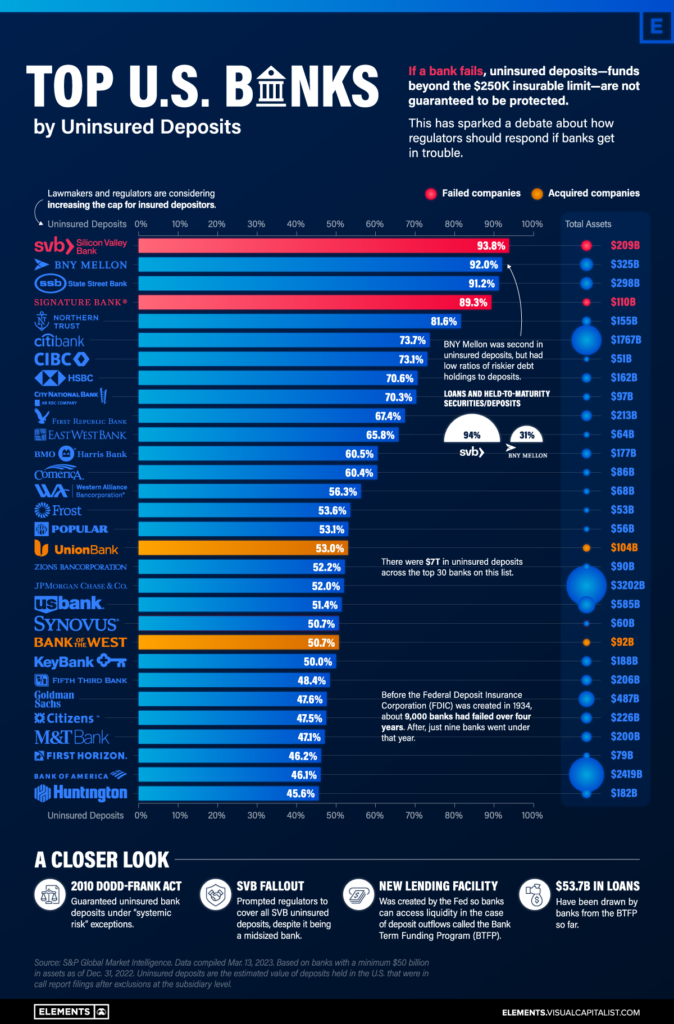
Today, there is at least $7 trillion in uninsured bank deposits in America.

This dollar value is roughly three times that of Apple’s market capitalization, or about equal to 30% of U.S. GDP. Uninsured deposits are ones that exceed the $250,000 limit insured by the Federal Deposit Insurance Corporation (FDIC), which was actually increased from $100,000 after the Global Financial Crisis. They account for roughly 40% of all bank deposits.

In the wake of the Silicon Valley Bank (SVB) fallout, we look at the 30 U.S. banks with the highest percentage of uninsured deposits, using data from S&P Global.

Author(s): Dorothy Neufeld, Sabrina Lam

Publication Date: 4 April 2023

Publication Site: Visual Capitalist

I Gave Myself Severe Diarrhea for Science. Don’t Tax Me for It.

Link: https://reason.com/2023/04/05/i-gave-myself-severe-diarrhea-for-science-dont-tax-me-for-it/

Excerpt:

I drank the bespoke pathogenic cocktail as part of what’s known as a “human challenge study” run by the Center for Vaccine Development at the University of Maryland, Baltimore. In a human challenge study, adult volunteers are exposed to a pathogen. The study I was involved in was intended to test an experimental vaccine. The process may sound somewhat medieval, but these studies are critical scientific tools that prioritize participant safety. From 1980 to 2021, over 15,000 volunteers have been exposed to one of dozens of diseases in such studies, and not one has died. 

Dysentery can be fatal. While Shigella is treatable with antibiotics, resistance is evolving at a worrying pace, and tens of thousands of children still succumb to it every year in the developing world. Those it does not kill are often left with stunted growth.

….

For my assistance in the development of a potentially lifesaving vaccine, I was paid $7,350. My motivations were altruistic to a degree: I wanted to pay my privilege forward. As I told Business Insider, however, I am not a complete saint and would not have done it for free.

As far as the Internal Revenue Service (IRS) is concerned, the compensation for my bout of dysentery has zero charitable component; it’s just regular old income, indistinguishable from, say, freelance writing or mowing lawns. If, God forbid, I am ever audited, I hope the IRS agent believes me when I say that’s just my diarrhea money.

I maintain, though, that I should not be taxed on that $7,350 at all: Treating clinical trial compensation as taxable income is just bad policy. 

Author(s): JAke Eberts

Publication Date: 5 April 2023

Publication Site: Reason

NYC subway-track deaths soar, driven by social-media dares

Link: https://nypost.com/2023/04/02/nyc-subway-track-deaths-soar-driven-by-social-media-dares/

Excerpt:

The Metropolitan Transportation Authority had distressing news last week: Deaths on subway-train tracks soared in 2022, to 88.

It’s a little-remarked element of our post-2020 era of disorder and chaos.

….

But as with everything else in New York in the past three years, things went awry. Last year’s 88 track deaths were 35% above the 2018 and 2019 averages — 65 each year.

For context, 120 pedestrians died above ground last year in crashes with cars or trucks, close to the average of 121 in 2018 and 2019.

….

What’s going on? Of 1,365 known subway-track incidents in 2022 (most of which didn’t end in death), about 15% were accidental falls or medical emergencies, a new MTA analysis finds.

A thankfully surprisingly low number — fewer than 10% — was suicides or suicide attempts.

An even smaller percentage was assaults — that is, people being pushed to the tracks. (Though with pushes to the tracks comprising three of last year’s 10 subway murders, a 30-year high, a small percentage is too many.)

In most cases — well more than two-thirds — people ended up on the tracks voluntarily.

In 20% of total cases, people were clearly mentally ill (but not attempting suicide); in another 10% or so, people were drugged or drunk.

….

The worst spike in track intrusions started a little more than a year ago, in December 2021 to February 2022. (This includes January 2022, when Michelle Go was pushed to her death in Times Square by a mentally ill, violent ex-con.)

This winter, track intrusions are down 30%.

Why? Largely police enforcement.

Author(s): Nicole Gelinas

Publication Date: 2 April 2023

Publication Site: NY Post

The Effect of Population Aging on Economic Growth, the Labor Force, and Productivity

Link: https://www.aeaweb.org/articles/pdf/doi/10.1257/mac.20190196?etoc=1&PHPSESSID=e2d71946030ec8a8263aa740cdefc8bf&aeawebcookie=bKEAqeTUkYC2t76T69dF0Ci6fxe7YbxnmOV&_ga=GA1.1.1666777193.1680103456&_ga_96K6S9DJLT=GS1.1.1680103456.1.1.1680103555.0.0.0

Maestas, Nicole, Kathleen J. Mullen and David Powell. 2023. “The Effect of Population Aging on Economic Growth, the Labor Force, and Productivity.” American Economic Journal: Macroeconomics, 15 (2):306-32.

DOI: 10.1257/mac.20190196

Replication package link: https://www.openicpsr.org/openicpsr/project/173781/version/V1/view

Online appendix: https://assets.aeaweb.org/asset-server/files/18416.pdf

Graphic:

Abstract:

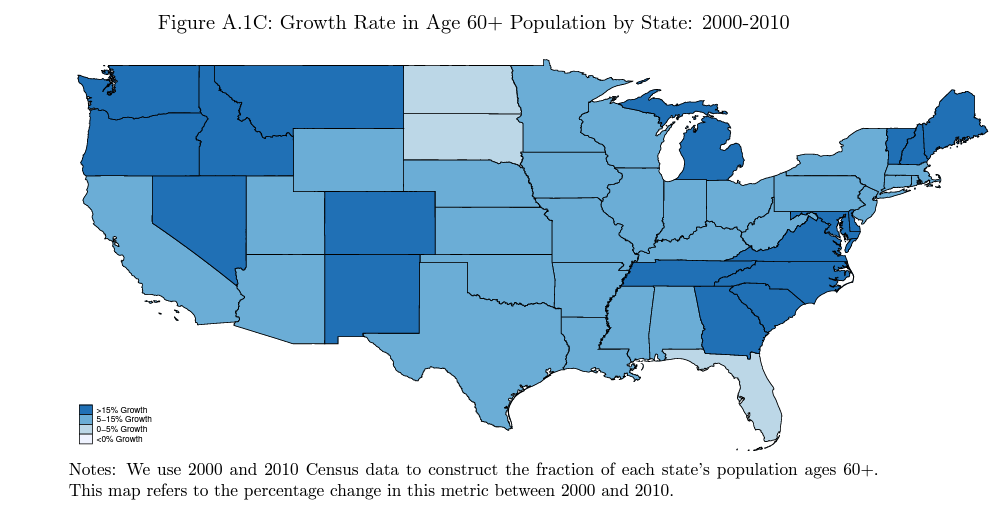
Population aging is expected to slow US economic growth. We use variation in the predetermined component of population aging across states to estimate the impact of aging on growth in GDP per capita for 1980–2010. We find that each 10 percent increase in the fraction of the population age 60+ decreased per capita GDP by 5.5 percent. One-third of the reduction arose from slower employment growth; two-thirds due to slower labor productivity growth. Labor compensation and wages also declined in response. Our estimate implies population aging reduced the growth rate in GDP per capita by 0.3 percentage points per year during 1980–2010.

Author(s): Maestas, Nicole, Kathleen J. Mullen and David Powell

Publication Date: 2023

Publication Site: American Economic Journal: Macroeconomics, AEAweb

Guidance for Certifying Deaths Due to Coronavirus Disease 2019 (COVID-19)

Link: https://www.cdc.gov/nchs/data/nvss/vsrg/vsrg03-508.pdf

Graphic:

Excerpt:

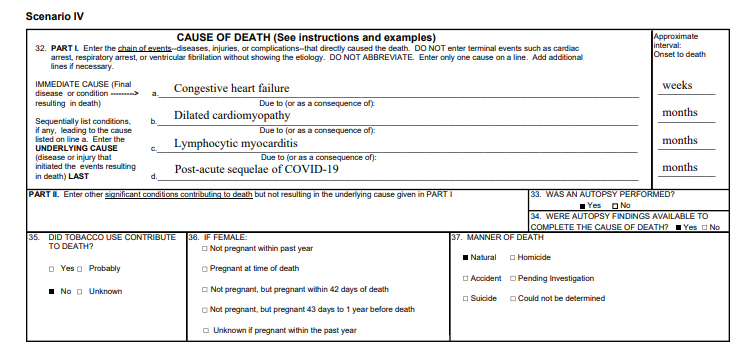
Certifying deaths due to post-acute sequelae of
COVID-19
In the acute phase, clinical manifestations and complications
of COVID-19 of varying degrees have been documented,
including death. However, patients who recover from the acute
phase of the infection can still suffer long-term effects (8).
Post-acute sequelae of COVID-19 (PASC), commonly referred
to as “long COVID,” refers to the long-term symptoms, signs,
and complications experienced by some patients who have
recovered from the acute phase of COVID-19 (8–10). Emerging
evidence suggests that severe acute respiratory syndrome
coronavirus 2 (SARS-CoV-2), the virus that causes COVID-19,
can have lasting effects on nearly every organ and organ system
of the body weeks, months, and potentially years after infection
(11,12). Documented serious post-COVID-19 conditions include
cardiovascular, pulmonary, neurological, renal, endocrine,
hematological, and gastrointestinal complications (8), as well as
death (13).

Consequently, when completing the death certificate, certifiers
should carefully review and consider the decedent’s medical
history and records, laboratory test results, and autopsy report,
if one is available. For decedents who had a previous SARSCoV-2 infection and were diagnosed with a post-COVID-19
condition, the certifier may consider the possibility that the death
was due to long-term complications of COVID-19, even if the
original infection occurred months or years before death. If it is
determined that PASC was the UCOD, it should be reported on
the lowest line used in Part I with the condition(s) it led to on the
line(s) above in a logical sequence in terms of time and etiology.
If it is determined that PASC was not the UCOD but was still a
significant condition that contributed to death, then it should be
reported in Part II. Certifiers should use standard terminology,
that is, “Post-acute sequelae of COVID-19.” See Scenario IV in
the Appendix for an example certification. In accordance with
all death certification guidance, if the certifier determines that
PASC did not cause or contribute to death, then they should not
report it anywhere on the death certificate.

Author(s): National Vital Statistics System, National Center for Health Statistics

Publication Date: updated 27 Feb 2023

Publication Site: CDC

Can France Escape Its Pension Overhang?

Link: https://www.city-journal.org/can-france-escape-its-pension-overhang

Excerpt:

In 2021, government spending accounted for 59 percent of GDP in France, compared with 45 percent in the United States. Spending on public pensions accounts for much of that gap: it’s 15 percent of GDP in France, but only 7 percent in the U.S. This greatly inflates associated payroll taxes, which alone took 28 percent of workers’ incomes in France, compared with just 11 percent in the U.S.

President Macron argues that the cost of financing pensions is dragging down the whole economy, and that reform is necessary to make France an attractive venue for investment and employment. Whereas workers’ incomes in 1975 were 46 percent higher than those of retirees, by 2016 they were 2 percent lower. Many economists see it as senseless to redistribute so much from the young to the elderly, who seldom have childrearing expenses and whose mortgages are often paid off.

Pension reform is seen as necessary by 61 percent of French voters, but only 32 percent support raising the retirement age. Macron argues that the only alternatives to his reforms would involve cutting benefit levels, hiking taxes, or cutting public spending on other items such as education, health care, or defense. France already has close to the highest taxes in the developed world.

Median incomes for French residents aged 65 and over ($20,116) are little different than those for Americans ($19,704). The main effects of France’s extra pension spending are to crowd out private savings for retirement (which amount to 12 percent of GDP versus 170 percent in the U.S), and to cause French citizens to retire much earlier (at an average age of 60.4, vs 64.9 in the states).

Author(s): Chris Pope

Publication Date: 28 Mar 2023

Publication Site: City Journal