While the City of Baltimore extended the Fire & Police Pension System from a 20-year retirement plan to a 25-year one, a Baltimore City Council committee advanced a bill on Thursday to allow city elected officials to receive pension after eight years, rather than 12 years.
Baltimore City FOP Tweeted Friday saying, “This is one of the most egregious privileged class moves against labor in the history of Baltimore City.”
Baltimore City FOP went on to say the City Council should either vacate this decision, or start the process of returning the Fire & Police Pension System back to 20 years.
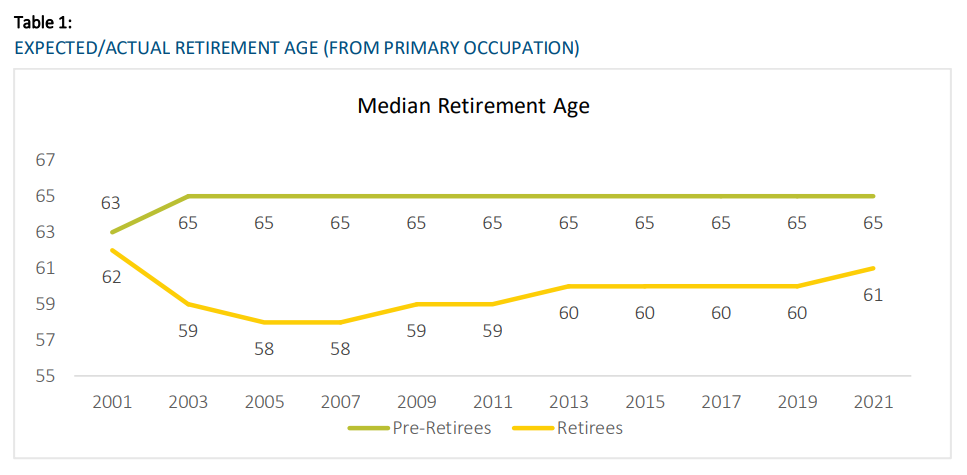
CHAPTER HIGHLIGHTS: • Despite the COVID-19 pandemic, level of concern about various risks remains historically low this year for both pre-retirees and retirees. Compared to 2019, level of concern dropped on some issues for retirees. As a result of this drop, retiree concerns are lower than those of pre-retirees by a larger gap than ever before. • The one exception to this trend was concern about fraud. In 2021, both retirees and pre-retirees were more concerned about fraud, and it is the highest concern among retirees, particularly Black/African American retirees. As in prior studies, those with lower income tend to show much higher levels of concern. • The biggest concerns for pre-retirees are their savings and investments not keeping up with inflation, not being able to afford long-term care, not being able to afford health care costs, not being able to maintain a reasonable standard of living throughout retirement, and potentially depleting all their savings. • While half of pre-retirees plan to retire gradually rather than all at once, retiree respondents indicate this seldom actually happens. Higher-income pre-retirees are more likely to plan to go straight from full time employment to retirement. • The COVID-19 pandemic has not affected plans that pre-retirees have for work, living arrangements, and lifestyle in retirement, although over a quarter report changing their lifestyle. • Despite the financial challenges that retirement poses, most do not have financial advisors, especially preretirees, lower-income respondents, and Black/African American respondents.
Milliman, Inc., a premier global consulting and actuarial firm, today released the results of its latest Milliman 100 Pension Funding Index (PFI), which analyzes the 100 largest U.S. corporate pension plans.
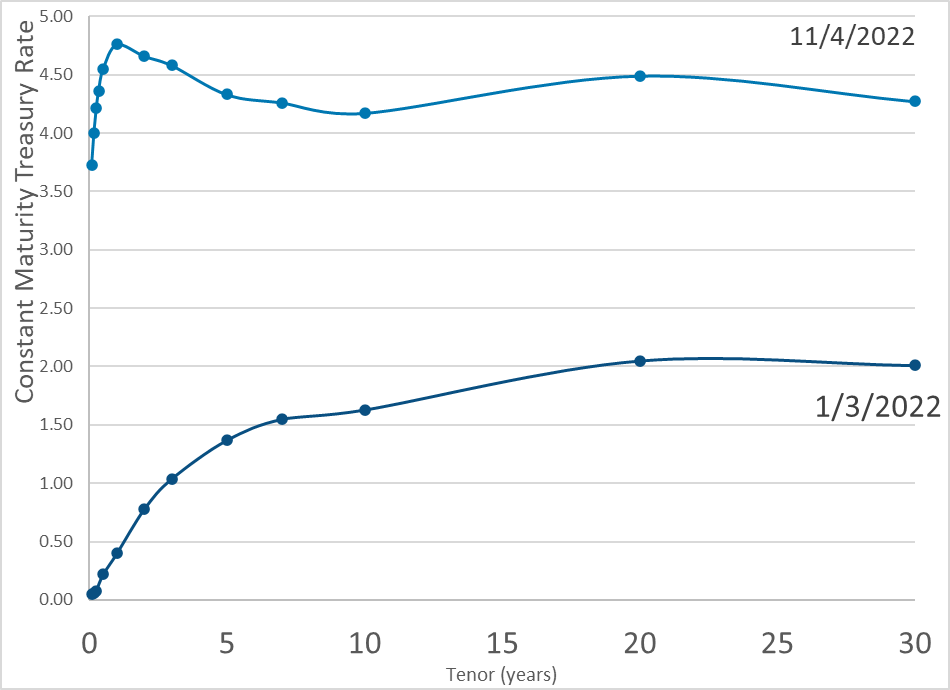
During October, the Milliman 100 PFI funded ratio rose from 108.8% on September 30 to 112.8% on October 31, reaching a new high for the year. The change was driven by a 35-basis-point hike in the monthly discount rate. The PFI projected benefit obligation decreased to $1.266 trillion as the discount rate rose from 5.36% in September to 5.71% for October—the highest rate since March 2010. This increase helped to offset October’s flat investment returns of 0.21%, which lowered the Milliman 100 PFI asset value by $4 billion.
BERLIN, Nov 5 (Reuters) – Germany’s more than 20 million pensioners will likely see their state benefit rise by up to 4.2% from July 2023, according to a governemt proposal seen by Reuters, lower than the expected inflation rate of 7.0%.
The state pension in western Germany will rise by 3.5%, while in former East Germany it will increase by 4.2% according to the draft, as the government continues to narrow the gap between the two regions.
A treaty adopted 35 years ago and meant to solve an entirely different problem is also protecting the climate. And with bipartisan support from the Senate and President Joe Biden’s Oct. 26 signature, the U.S. became the world’s 139th nation to adopt a key amendment to that agreement — the first time the U.S. has joined a legally binding global measure specifically to combat climate change.
Global warming was on the back burner in 1985 when scientists from the British Antarctic Survey found a gaping hole in the planet’s stratospheric ozone layer. A natural feature of the atmosphere, the ozone layer is located between about 10 to 25 miles above Earth’s surface. It shields the planet from the sun’s ultraviolet radiation, which is harmful in large doses to our skin and to myriad other aspects of plant and animal life.
Researchers rapidly pinned down the cause of the ozone destruction: chlorofluorocarbons, known as CFCs, which are chemicals used as refrigerants and to manufacture aerosol sprays and other materials. CFCs had been recognized for years as a threat to the ozone layer, but the ozone hole found in the mid-1980s was far worse than anything expected by that point.
By 1987, diplomats had crafted a treaty known as the Montreal Protocol to fix the problem. It was an immense success, ratified by every member state of the United Nations.
There was a major catch, though.
Both CFCs and their leading replacements – hydrofluorocarbons, or HFCs – trap heat in the atmosphere, causing global warming.
….
Enter the Kigali Amendment.
Adopted at a United Nations meeting held in the Rwanda capital in October 2016, it uses a variety of policy approaches to throttle back on both the production and consumption of HFCs. The amendment has put the world on track to eliminate more than 80% of HFCs by midcentury.
One reason the Kigali Amendment passed the Senate with bipartisan support (69-27, including 21 of the chamber’s 50 Republicans) is that national action on HFCs along the lines of Kigali was already in gear. The pandemic stimulus bill of late 2020 specified an 85% cut in HFC production by 2030. Many lawmakers, especially those from states with major chemical manufacturing, had recognized that cutting HFCs made sense. For one thing, nations that have not ratified the amendment cannot trade HFCs with those that have.
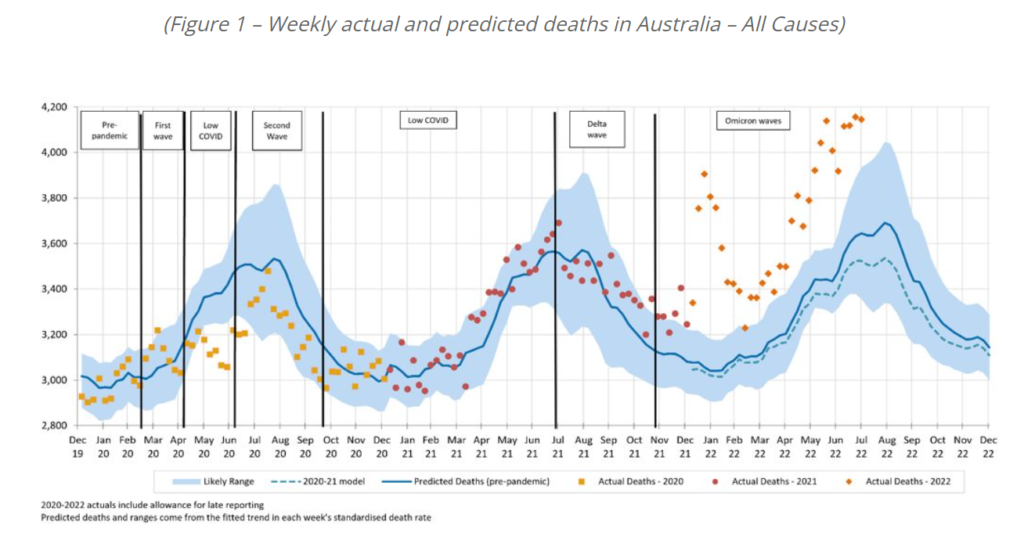
Total excess mortality for the month of July 2022 is estimated at 16% (+2,600 deaths), relative to expected mortality at pre-pandemic levels.
Total excess mortality for the first seven months of 2022 is 14% (+13,700 deaths).
Around half of the excess mortality for the first seven months of 2022 is due to COVID-19 (+7,100 deaths) with remaining excess of +6,600 due to the remaining causes.
October 2022 has the lowest COVID-19 surveillance deaths of any month in 2022.
We estimate that COVID-19 deaths will result in excess mortality of around 6% (+2,800) for August to October 2022, with overall excess mortality likely to be higher than this.
We continue to expect that COVID-19 will be the third leading cause of death in Australia in 2022.
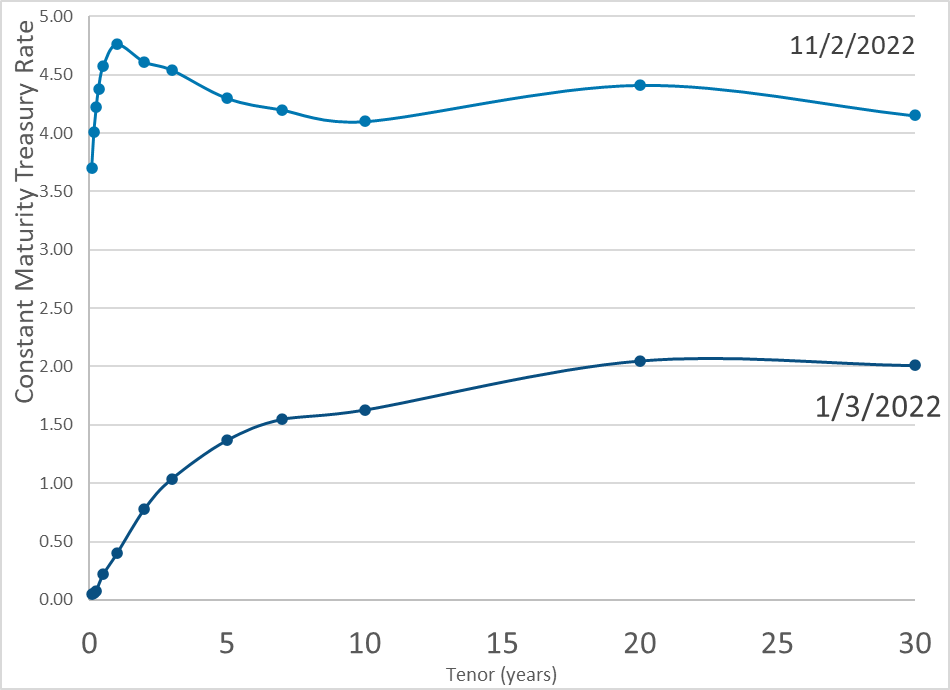
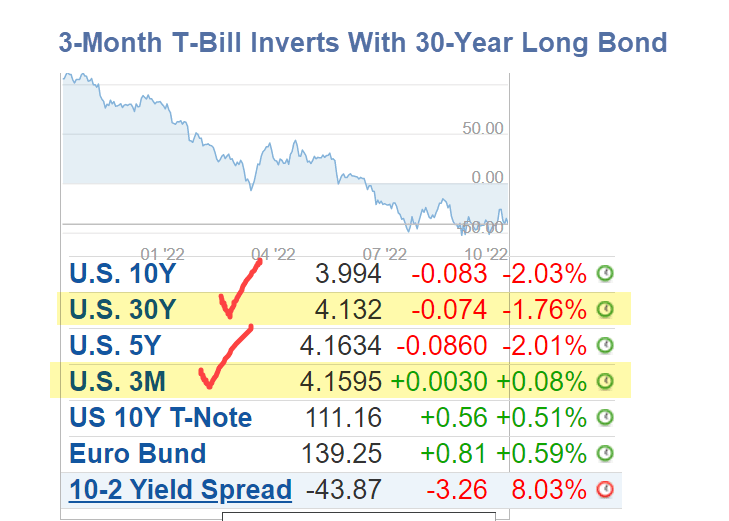
Reduced liquidity for bonds is getting to be a problem, according to Treasury Secretary Janet Yellen.
At a speech before the Securities Industry and Financial Markets Association annual meeting Tuesday, she reiterated an earlier observation that diminished ability to sell bonds is worrisome. Still, at SIFMA, she sought to temper her concern by adding that traders aren’t facing snags executing orders, with the biggest negative impact of lessened liquidity confined to higher transaction costs.
…..
The gauge for bond volatility, the Merrill Lynch Option Volatility Estimate, aka MOVE index, has jumped some 40% since mid-August. Other than a spike in March 2020 at the onset of the pandemic, the index (it launched in 2019) has been fairly placid—until 2022 and the beginning of big rate hikes. This all is reminiscent of the stock market’s fast-paced volatility lately.
Another related difficulty for bonds: the imbroglio resulting from the Federal Reserve’s interest rate increases and the resulting strong dollar risk worldwide. That has promoted a rush by other central banks to match the Fed and jack up rates. To Richard Farr, chief market strategist at Merion Capital, one risk of this trend is that Treasury bonds will end up hurt.
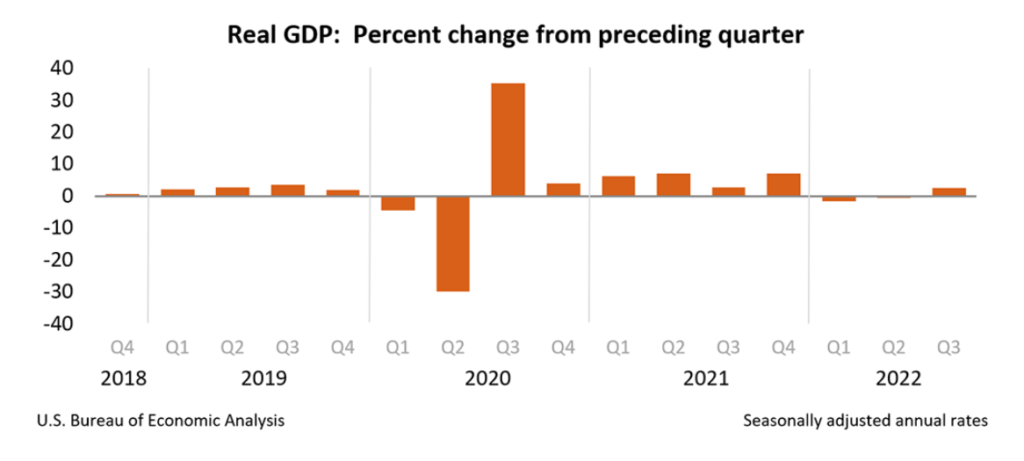
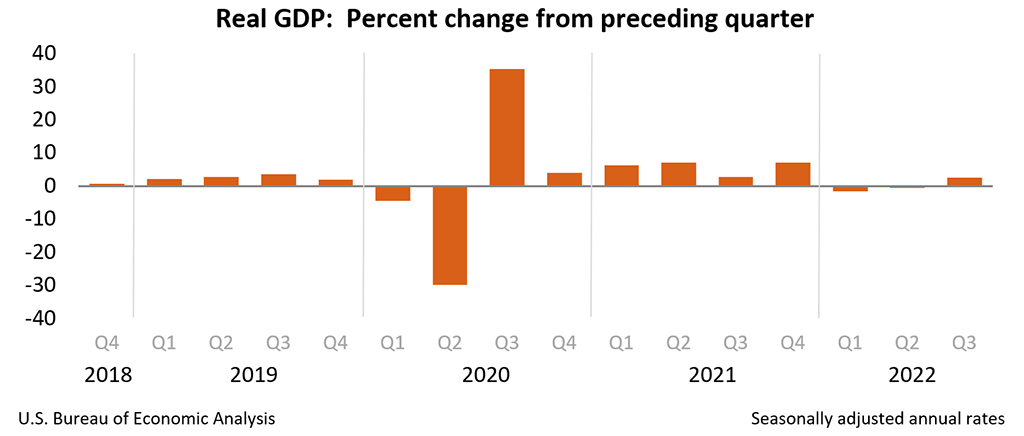
Real gross domestic product (GDP) increased at an annual rate of 2.6 percent in the third quarter of 2022 (table 1), according to the “advance” estimate released by the Bureau of Economic Analysis. In the second quarter, real GDP decreased 0.6 percent.
The GDP estimate released today is based on source data that are incomplete or subject to further revision by the source agency (refer to “Source Data for the Advance Estimate” on page 3). The “second” estimate for the third quarter, based on more complete data, will be released on November 30, 2022.
The increase in real GDP reflected increases in exports, consumer spending, nonresidential fixed investment, federal government spending, and state and local government spending, that were partly offset by decreases in residential fixed investment and private inventory investment. Imports, which are a subtraction in the calculation of GDP, decreased (table 2).